
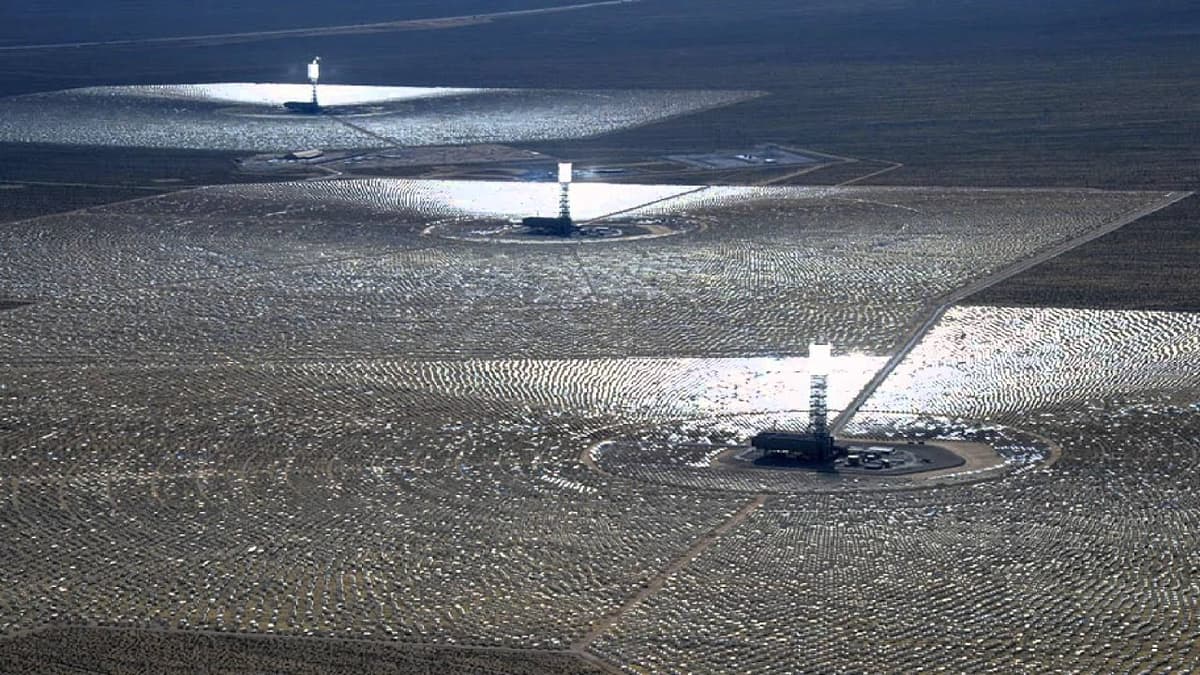
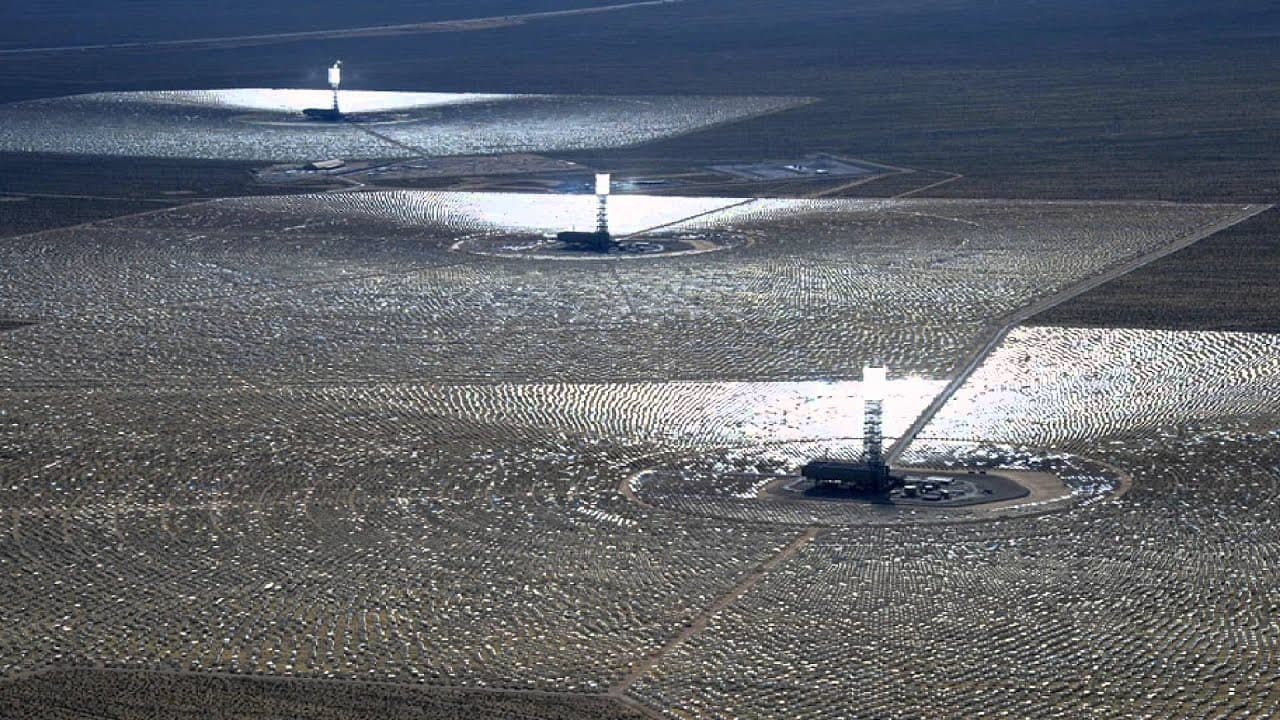
A vast expanse of shimmering mirrors in the Mojave Desert, touted as the future of clean power. But beneath the hype lies a story of massive taxpayer-funded loans, underwhelming performance, and unintended environmental havoc. The Ivanpah Solar Plant, once celebrated as a green energy giant, now serves as a stark warning about the pitfalls of overreliance on intermittent solar tech. In this deep dive, we'll unpack the plant's broken promises, staggering inefficiencies, and why proven alternatives like nuclear power— with its unmatched reliability and efficiency—offer a far superior route to energy security. If you're searching for insights on solar plant failures, renewable energy challenges, or nuclear vs solar comparisons, read on.
The Overhyped Promise of Ivanpah: Billions Poured In, But What Did We Get?
Launched in 2014 with fanfare from tech giants like Google and energy firms like NRG, the Ivanpah Solar Electric Generating System was pitched as a game-changer, backed by a whopping $1.6 billion loan guarantee from the U.S. Department of Energy—part of a total $2.2 billion price tag—this concentrated solar power (CSP) facility aimed to harness the sun's rays with 173,500 heliostats (that's over 347,000 individual mirrors) focusing sunlight onto three towering boilers. The goal? Generate 392 megawatts (MW) of gross capacity, enough to power around 140,000 homes annually while creating jobs and advancing California's ambitious renewable targets.
On paper, it sounded revolutionary: No fuel costs, zero emissions during operation, and a step toward reducing dependence on foreign energy imports. Proponents claimed it would produce about 1,000 gigawatt-hours (GWh) of electricity per year, boasting a projected capacity factor of around 31%—meaning it would operate at full potential about a third of the time. But as we'll see, reality hit hard, exposing how government-backed mega-projects often prioritize grand visions over practical results.
Mounting Challenges: From Bird 'Streamers' to Chronic Underperformance
From day one, Ivanpah's innovative design turned deadly. Those mirrors create intense "solar flux" zones, superheating the air to temperatures that can incinerate birds mid-flight. Federal biologists estimate around 6,000 birds die annually from collisions or immolation, drawn to the site like a mirage while chasing insects. In the plant's first year alone, reports pegged bird fatalities at about 3,500, with witnesses describing "streamers"—plumes of smoke from charred wildlife—every two minutes during peak times. And it's not just birds: The project displaced over 150 endangered desert tortoises, requiring costly relocations that disrupted fragile ecosystems.
Energy output? A massive letdown. Instead of hitting its 1,000 GWh target, Ivanpah operated at just half capacity in its early years due to cloudy weather, equipment glitches, and the sun's unpredictable nature. Actual production hovered around 500-700 GWh annually, far below expectations. To compensate, the plant ramped up natural gas usage for "auxiliary" heating—burning enough to emit 46,000 metric tons of CO2 yearly, qualifying it for California's cap-and-trade program like a fossil fuel plant. In some analyses, gas accounted for up to 30% of its output, undermining the "green" label and highlighting solar's intermittency woes. Why force-feed a solar farm with gas when more dependable options exist?
The Staggering Financial and Environmental Toll: Taxpayers Foot the Bill
Let's talk numbers: Ivanpah's $2.2 billion cost translates to about $5.6 million per MW of capacity—sky-high compared to other energy sources. Pacific Gas & Electric (PG&E) bailed on its contract early, citing exorbitant rates and poor reliability, leaving ratepayers on the hook for inefficiencies. The California Public Utilities Commission kept it limping along, but at what price? Billions in public funds funneled into a project that's underperformed, all while solar's land footprint devours 3,500 acres of pristine desert—equivalent to over 2,600 football fields.
Environmentally, the irony is thick. While solar avoids direct emissions, Ivanpah's gas dependency and wildlife carnage raise red flags. Add in the water usage for mirror cleaning in a drought-prone region, and the "sustainable" facade crumbles. This isn't innovation; it's a cautionary tale of how heavy subsidies distort markets, propping up flawed tech while ignoring proven paths to true energy abundance.
Why Nuclear Power Trumps Solar: Reliability, Efficiency, and Real Sustainability
As Ivanpah's struggles mount—one unit even faces partial shutdown—it's time to pivot to solutions that deliver consistent, affordable power without the drama. Enter nuclear energy: A powerhouse that outshines solar in every key metric, providing baseload electricity that doesn't vanish when clouds roll in.
First, reliability. Nuclear plants boast an average capacity factor of 92-93%, meaning they churn out maximum power over 90% of the time—three times higher than Ivanpah's CSP tech (around 20-30%) and far superior to typical photovoltaic solar panels (15-25%). In 2024, U.S. nuclear fleets hit 92.3% capacity, powering grids 24/7 without weather whims or gas backups.
Second, land efficiency. Nuclear generates massive energy on a tiny footprint: Just one plant needs about 50 times less land per unit of electricity than solar. For instance, a 1,000 MW nuclear facility might span 1-4 square miles, while equivalent solar output could require 75-100 square miles—sparing vast wilderness from development and preserving habitats Ivanpah-style projects disrupt.
Third, safety and environmental edge. Despite myths, nuclear is among the safest energy sources, with just 0.03 deaths per terawatt-hour (TWh) from accidents and pollution—comparable to or better than solar (0.02 for rooftop, but utility-scale solar involves risks like fires and waste). That's 99% fewer deaths than fossil fuels, and nuclear's lifecycle carbon footprint is ultra-low, rivaling renewables without the intermittency. Innovations like small modular reactors (SMRs) slash construction times and costs, enabling flexible deployment while recycling fuel to minimize waste.
In short, nuclear empowers self-reliance: It fosters energy independence, stabilizes prices by avoiding fuel volatility, and scales efficiently without gobbling subsidies or scorching wildlife. Why bet on solar's spotty performance when nuclear offers steady, abundant power that aligns with fiscal responsibility and environmental stewardship?
Lessons from Ivanpah: Time for Smarter Energy Choices
Ivanpah's saga isn't just a desert mirage—it's a wakeup call. Good intentions can't mask poor execution, where billions in public dollars yield half-baked results and hidden harms. As states chase net-zero goals, let's demand accountability: Prioritize technologies that work reliably, respect taxpayer wallets, and truly protect our natural world. Nuclear isn't a relic; it's the forward-thinking choice for a resilient grid.
Subscribe now for more unfiltered takes on energy innovations, policy pitfalls, and paths to true independence. What's your view—has solar lost its shine? Drop a comment below!