
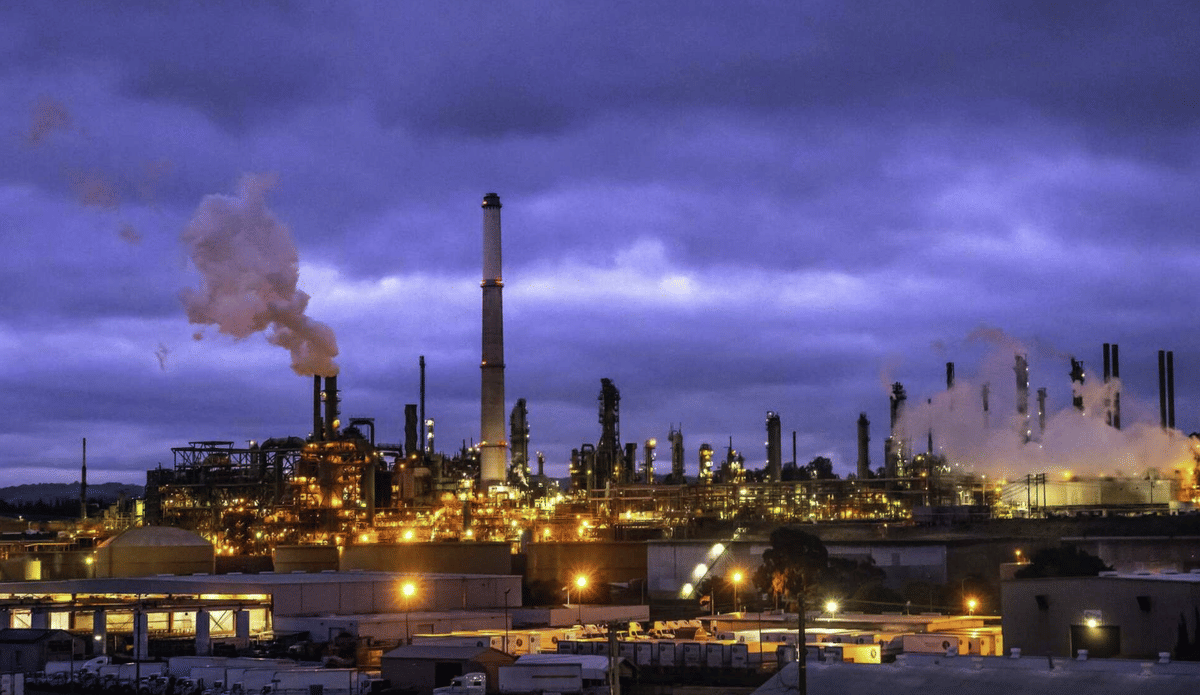
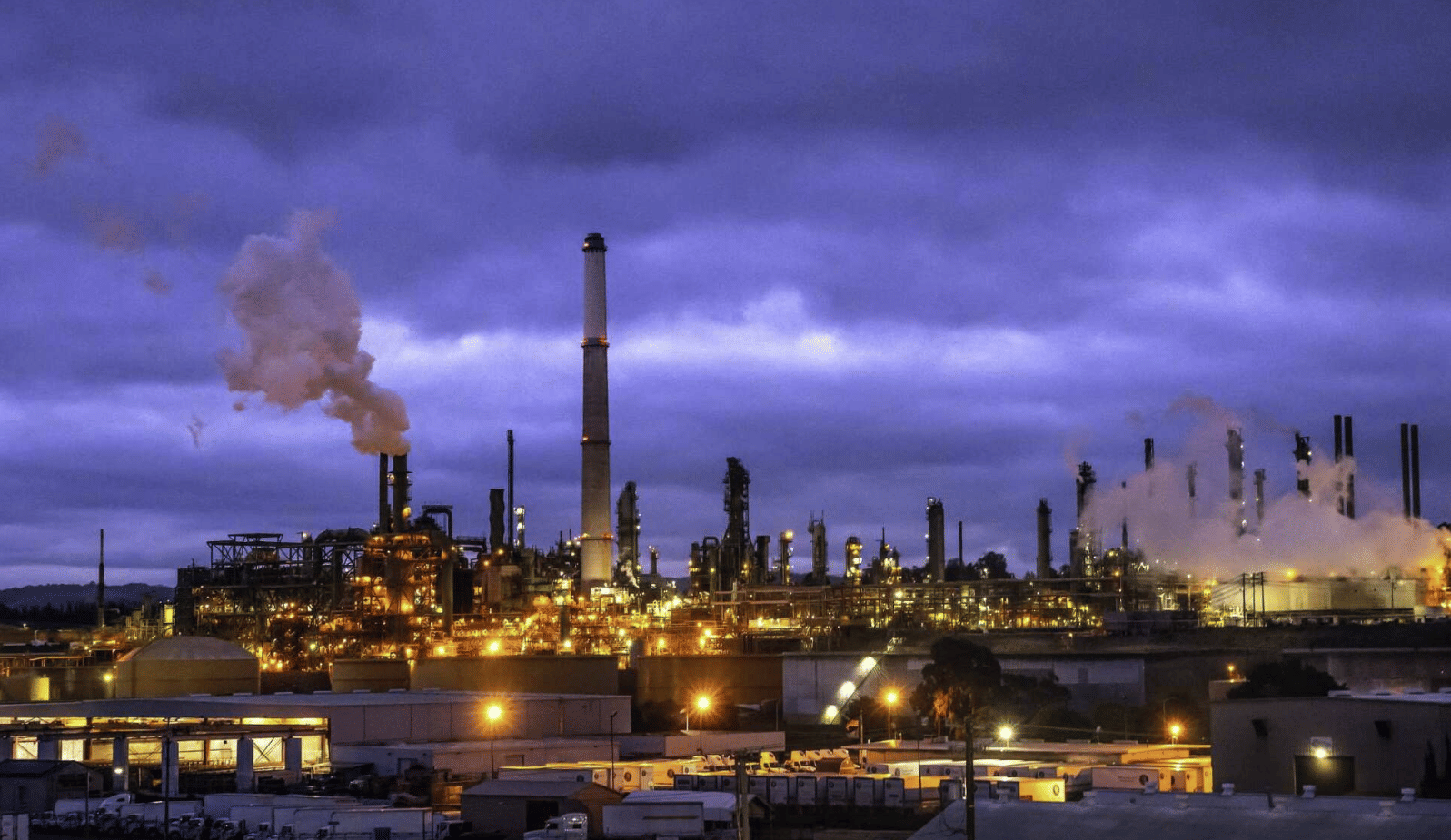
Imagine a state so tangled in red tape that a major energy giant like Valero Energy Corp. chooses to swallow a whopping $1.1 billion impairment charge just to pack up and leave. That's the harsh reality unfolding in California, where the Benicia refinery—processing 170,000 barrels per day—is slated for shutdown by the end of April 2026. This isn't just a corporate retreat; it's a glaring symptom of overreaching government mandates that prioritize utopian green dreams over real-world economic needs, forcing businesses to flee and leaving everyday Americans to foot the bill at the pump.
The High Cost of Regulatory Overkill: Why Refineries Are Fleeing California
California's refinery landscape is crumbling under the weight of some of the nation's strictest environmental rules, high operational costs, and a relentless drive toward renewables that ignores the practicalities of energy supply. Valero's decision follows a pattern—Phillips 66 is also shuttering its Rodeo refinery, contributing to a staggering 17% drop in the state's refining capacity within the next 12 to 18 months. These closures aren't happening in a vacuum; they're driven by policies that make it nearly impossible for refiners to turn a profit without constant regulatory battles. The result? A vulnerable West Coast fuel market that's already prone to wild price swings, now facing even greater instability as domestic production dwindles.
Adding insult to injury, California's dependence on imported gasoline is set to deepen. Much of this fuel comes from overseas suppliers in nations like Saudi Arabia or Russia, where labor standards and environmental protections are far laxer than here at home. It's a bitter irony: policies meant to "protect" the environment end up outsourcing pollution and exploitation while eroding America's energy independence.
Devastating Economic Fallout: Jobs Lost, Budgets Slashed, and Gas Prices Soaring
The human toll is immediate and severe. At Valero's Benicia site alone, around 400 skilled workers will be out of jobs, stripping families of stable incomes in an already tough economy. The city of Benicia stares down a 17% budget hole, threatening essential services like schools and public safety. But the pain doesn't stop locally—this shutdown will slash West Coast gasoline production by about 9%, jet fuel by 3%, and diesel by 10%, according to industry analysts.
Worse yet, drivers could see gas prices explode. Projections warn of increased volatility, with spikes potentially hitting $8 per gallon during supply disruptions, as modeled by experts at the Stanford Energy Institute. Some forecasts even suggest averages climbing toward $12 a gallon in extreme scenarios, hammering commuters, truckers, and small businesses alike. In a state where fuel costs are already among the highest in the U.S., this could push families to the brink, all because policymakers chose ideology over affordability.
Political Flip-Flops and Real Solutions: From Incentives to Offshore Drilling
Governor Gavin Newsom, once a vocal critic of Big Oil, has done an about-face, scrambling to offer incentives like expedited permits for new wells in Kern County and financial lifelines to keep refineries afloat. It's a tacit admission that his earlier crackdowns on profits and drilling setbacks went too far, risking fuel shortages and economic chaos. But is it too little, too late? With refineries already bolting, these Band-Aid measures highlight the dangers of knee-jerk regulations that chase businesses away.
On the national stage, President Trump's push for expanded offshore drilling offers a stark contrast—a proactive step to unleash American energy resources and bolster supply. His proposal includes up to 34 lease sales across public waters, targeting areas off California, Alaska, and the Gulf of Mexico starting as early as 2029. Despite pushback from eco-activists, this approach prioritizes domestic production, which could lower prices, create jobs, and reduce reliance on foreign regimes. Why import oil from unstable regions when we can tap our own vast reserves responsibly?
Finding a Path Forward: Prioritizing Prosperity Over Pipe Dreams
California's refinery exodus lays bare the pitfalls of aggressive environmental agendas that disregard economic realities. As blue-collar jobs vanish and gas affordability slips away, the state must rethink its strategy—focusing on policies that encourage innovation and investment rather than driving them out. Boosting homegrown energy through smart drilling and market-friendly reforms isn't just sensible; it's essential for securing a stable, prosperous future.
Subscribe now for the latest updates on California's energy woes, gas price forecasts, and practical solutions to keep America fueled and thriving.