
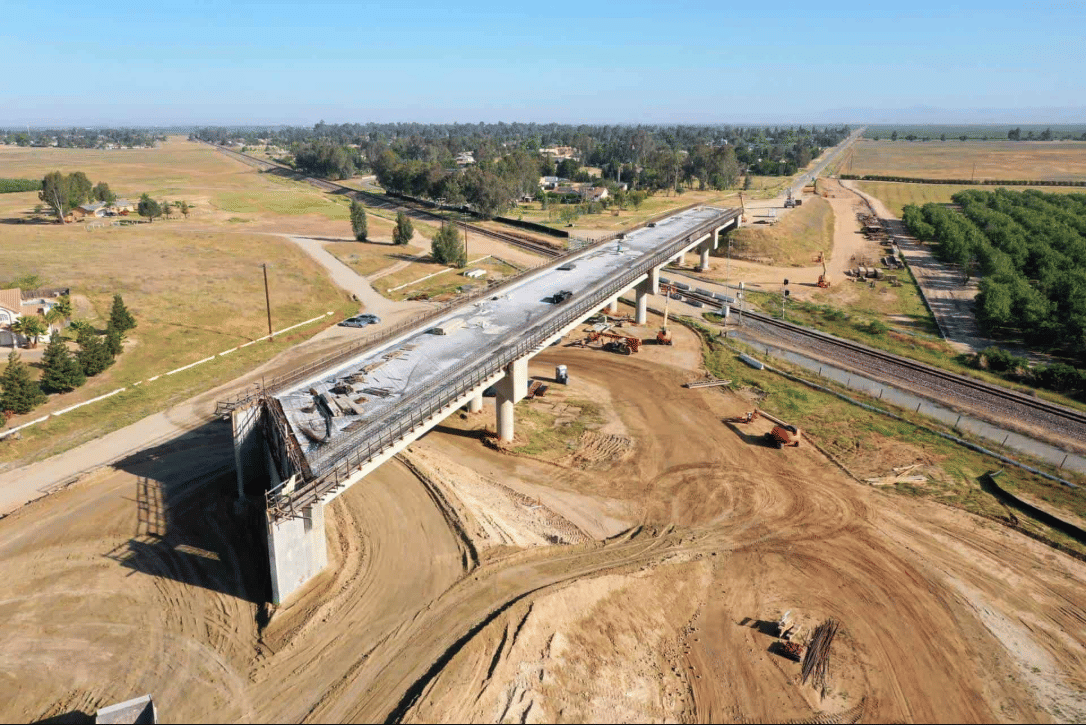
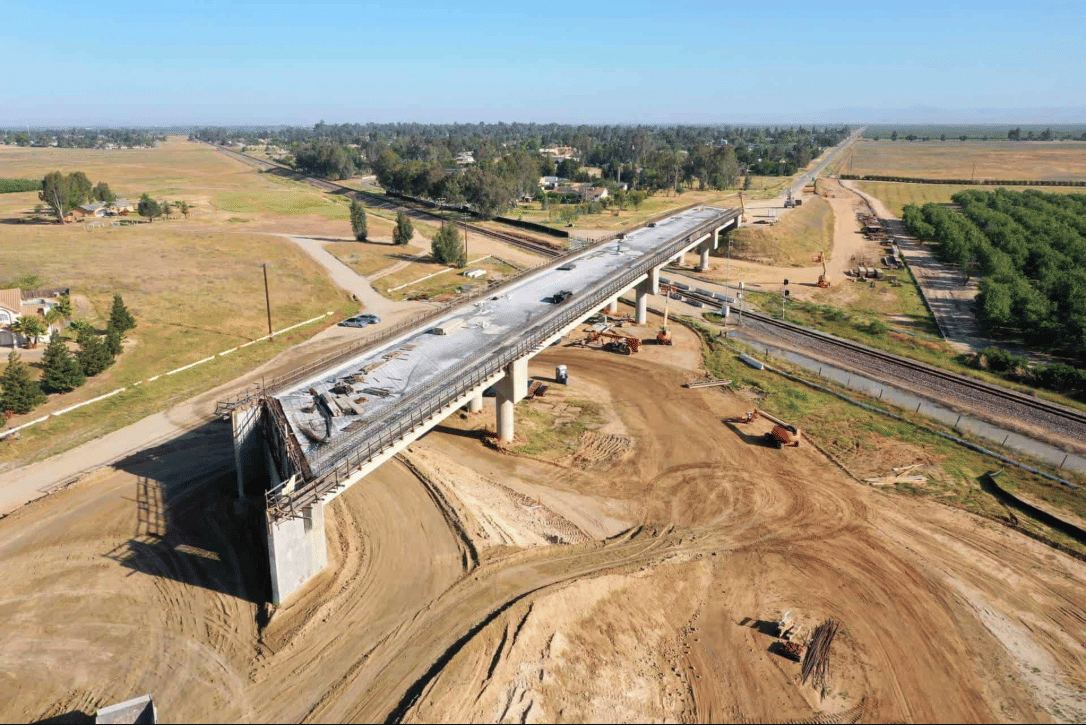
In a stunning holiday-season capitulation that reeks of desperation, California Governor Gavin Newsom's administration has stealthily abandoned its long-running legal battle against the Trump administration over $4 billion in yanked federal funds for the state's infamous high-speed rail project. This move, slipped under the radar on December 23, 2025, signals the death knell for any hope of reliable federal backing and exposes the Golden State's bullet train dream as the ultimate taxpayer-funded boondoggle—a bloated, delayed mess that's already devoured billions with zero miles of operational high-speed track to show for it.
Back in 2008, California voters were sold a shiny vision: a $33 billion high-speed rail system zipping passengers from San Francisco to Los Angeles in under three hours, funded partly by a $9.95 billion bond measure. Fast-forward 17 years, and the reality is a nightmare of epic proportions. Costs have exploded to an eye-watering $128 billion to $135 billion, according to the latest estimates, with completion now pushed back to at least 2038—a full 18 years behind the original 2020 target for the first segment. As of August 2025, the state has burned through $13.8 billion, mostly on planning, environmental reviews, and partial construction in the Central Valley, but not a single inch of actual high-speed rail is functional. Critics, including conservative watchdogs and frustrated taxpayers, point to this as Exhibit A in liberal overreach: a project that's become a symbol of bureaucratic incompetence, land grabs, and cronyism.
The lawsuit itself stemmed from 2019, when then-President Donald Trump wisely pulled the plug on nearly $1 billion in grants and threatened to claw back more, citing the project's endless delays and mismanagement as "political retribution" against California's anti-Trump stance. But let's call it what it was: smart fiscal stewardship. The total federal funds at stake ballooned to $4 billion in the ensuing legal wrangling, with California suing to reinstate them. Now, under Trump's triumphant return to the White House, Newsom's team has waved the white flag, admitting in a statement that they're ditching federal dependency for "private investment." Skeptics aren't buying the spin. As one X user bluntly put it, the rail's costs have "ballooned from $33 billion to up to $128 billion, with an unfunded gap of over $90 billion and no high-speed track yet laid."
Dig deeper, and the stats paint a damning picture of waste. The California High-Speed Rail Authority's own 2025 Project Update Report pegs available revenue at just $26.7 billion to $29.7 billion—leaving a massive shortfall that private investors are somehow expected to fill by summer 2026. But who would sink money into this sinking ship? Construction is limited to a 171-mile "Initial Operating Segment" from Merced to Bakersfield—derisively called the "train to nowhere"—with no clear path to connecting the state's major cities. Escalation costs alone have surged, as noted in a November 2025 oversight review, driving up expenses by billions due to inflation and poor planning. And that's not all: allegations of insider deals swirl, including claims that figures like Paul Pelosi and the late Dianne Feinstein's family profited from land acquisitions tied to the project, using eminent domain to seize farms and flip properties at taxpayer expense.
This isn't just a rail fail; it's a microcosm of California's fiscal folly under Democratic rule. While the high-speed rail guzzles funds, the state has lost track of $24 billion in homelessness spending over five years, with audits revealing zero measurable progress. Add in $30 billion in COVID unemployment fraud and $10 million in financial aid scams from fake community college enrollments, and you've got a pattern of unchecked squandering that's driving residents and businesses out in droves. Trump's Transportation Secretary Sean Duffy nailed it in July 2025: The project's $135 billion price tag could buy every San Francisco and L.A. resident nearly 200 round-trip flights between the cities—far more practical than this pie-in-the-sky scheme.
As Newsom scrambles for elusive private backers—amid whispers of foreign investors or tech moguls with agendas—the question looms: Will this ever get built, or is it destined to be a $128 billion cautionary tale? With Trump's team vowing to scrutinize wasteful spending, California's pivot smells like defeat. Taxpayers deserve better than this endless gravy train for bureaucrats and insiders.