
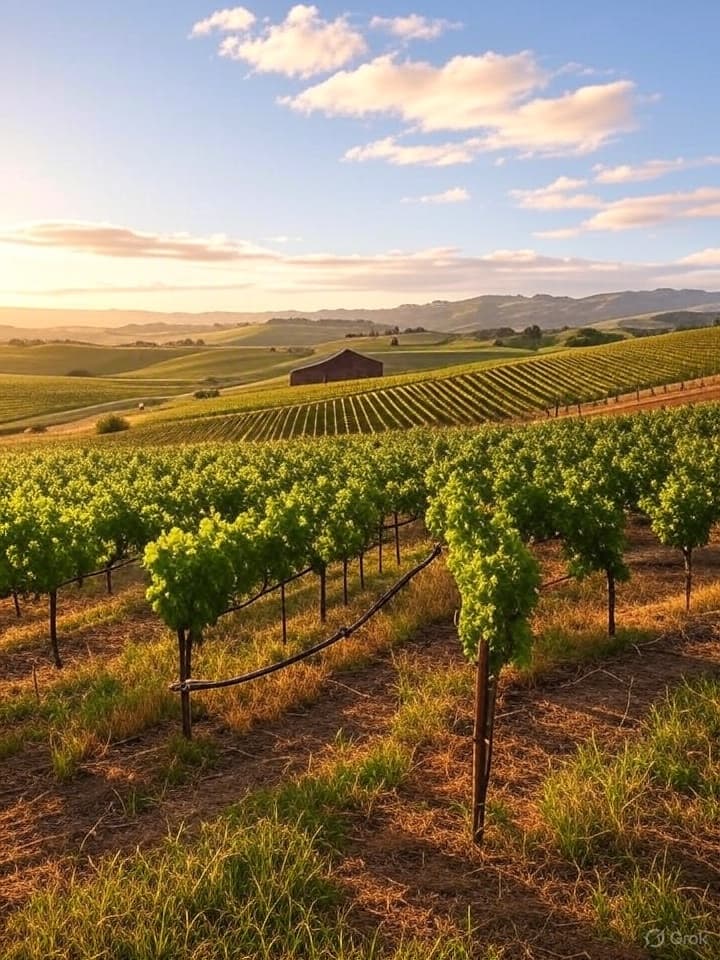
California is often painted as a deep blue stronghold, with its coastal cities and tech hubs overwhelmingly supporting Democratic candidates. Yet, there is so much more to California than just our gorgeous coastal cities, the state's vast rural heartland, particularly the Central Valley, where agriculture reigns supreme. Here, farmers and ranchers, the backbone of California's $50 billion plus agricultural industry, consistently lean Republican and have shown strong support for Donald Trump. In the 2024 presidential election, Trump carried 15 Central Valley farm belt counties, nine of them by landslides, marking an increase from the 10 he won in 2020. This trend isn't new, but it's intensified, with Trump boosting his vote share in 45 of California's 58 counties overall. So, why do these hardworking individuals, who produce everything from almonds to dairy, seemingly reject the state's dominant political narrative? Let's dive into some of the key reasons.
1. Water Rights: The Lifeblood of Farming Under Threat
Water is everything in California agriculture, where droughts and environmental regulations can make or break a season. Farmers and ranchers in the Central Valley have long felt squeezed by Democratic-led state policies that prioritize environmental protections— like saving endangered fish species— over agricultural needs. Trump's promises to "turn on the water" resonate deeply here. During his first term, he directed federal agencies to increase water deliveries to farmers, and he's pledged to do it again, potentially easing restrictions on pumping from the Sacramento-San Joaquin Delta. Many see Republican policies as a defense against overreaching Sacramento regulations that divert water away from crops, even after wet winters. They tend to perceive Democrats as aligned with urban environmentalists who don't understand what is necessary for agriculture in these rural parts of California.
2. Deregulation and Freedom from Government Overreach
California's strict environmental, labor, and safety regulations (think emissions controls, chemical restrictions, and worker protections) are seen by many farmers as burdensome red tape that hike costs. Republicans, including Trump, campaign on deregulation, promising to cut federal oversight and let farmers "do their thing" without constant permitting hassles. This appeals to small and medium sized operations that feel strangled by rules imposed from the federal government. Trump's rhetoric about reducing government interference aligns with a rural ethos of self reliance, where people prefer local control over mandates from Washington or Sacramento.
3. Economic Policies: Tariffs, Subsidies, and Inflation Fears
Despite the hits from Trump's trade wars, which led to retaliatory tariffs from China and slashed exports of California grown eats like walnuts and oranges, many farmers still back him. Why? Some believe in the long-term benefits of "America First" policies, like tariffs that make imported goods (Mexican lemons) more expensive, boosting demand for local produce. Trump also delivered hefty subsidies during his first term, including $28 billion in trade aid and $18 billion in COVID relief for farmers, which helped offset losses. In the 2024 cycle, economic woes like inflation under Biden-Harris were a major driver in the Central Valley's shift toward Trump, with voters frustrated by rising costs and seeking a change. Political consultants note that Trump's economic message cut across party lines, appealing to both Republicans and disillusioned Democrats in the region
4. Immigration and Border Security: Good or Bad for Farmers?
This is where things get complicated. California's farms rely heavily on undocumented labor, at least half of the state's agricultural workforce is unauthorized. rump's mass deportation pledges could devastate harvests, exacerbating labor shortages already worsened by high living costs and competition from Mexican jobs. Yet, many farmers support his tough stance on border security, viewing it as necessary to curb illegal crossings while assuming it won't fully disrupt their operations. Rural voters often align with Republican views on law and order, seeing uncontrolled immigration as a broader threat to community stability. It's a calculated risk: they hope for legal reforms or exemptions that keep the workforce intact.
5. Cultural and Social Conservatism in Rural America
Beyond policies, there's a certain culture. Rural California is more conservative, with strong evangelical ties, traditional values, and a skepticism toward rapid social change. Farmers and ranchers often come from multigenerational families rooted in self sufficiency and community, values that align with the Republican platforms. Trump's "Make America Great Again" mantra brings up a certain nostalgia for a less government regulated, more prosperous past, where children are involved in the farming operations and are free to roam the acreage in a safe environment. In discussions among rural voters, there's also frustration with Democratic outreach, many feel overlooked, with policies like infrastructure investments going unnoticed. This sense of being "forgotten" by urban elites drives loyalty to the GOP.
On the flip side, Trump's tariffs could potentially cause more trade wars, hurting exporters, and deportations might leave fields unpicked, driving up food prices. Some farmers are already voicing concerns, but for now, the hope for water relief and economic revival outweighs the fears. Nationally, farmers backed Trump three-to-one in 2024. California farmers and ranchers vote Republican and support Trump because his policies promise tangible relief from water woes, regulations, and economic pressures, while aligning with their conservative worldview.
For more in depth information on California's rural agriculture community please check out our YouTube page. Here we discuss what is happening to ranchers in Point Reyes, and on this episode we discuss the current Potter Valley dam removal plan.