
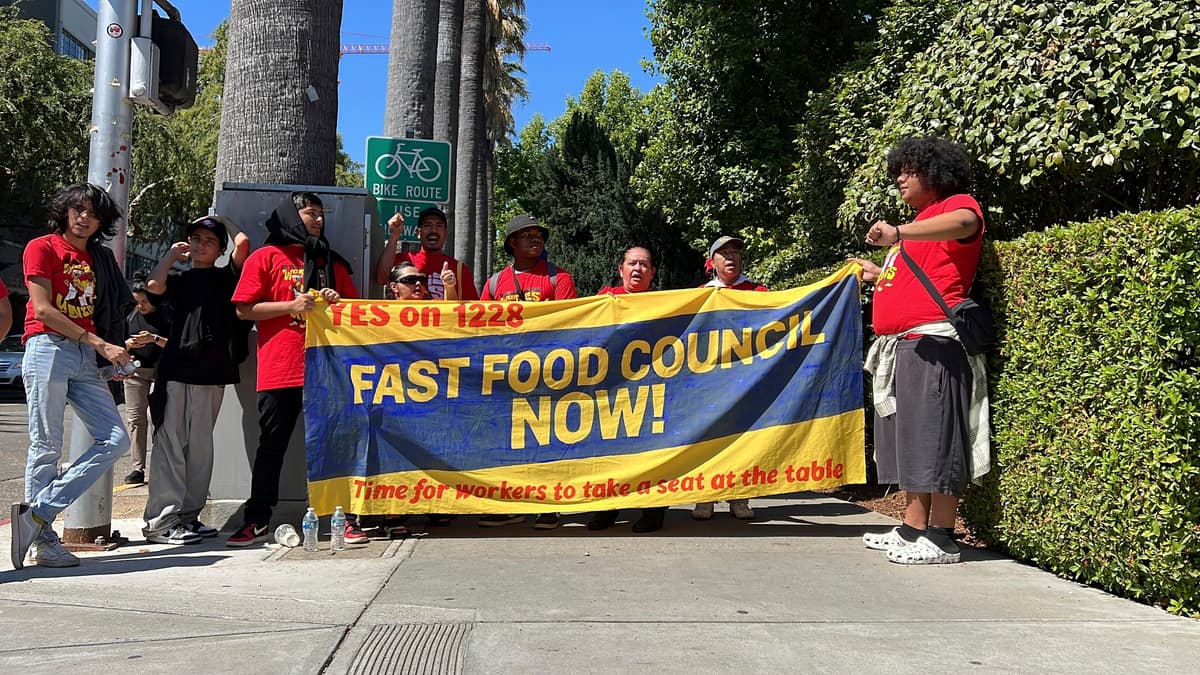
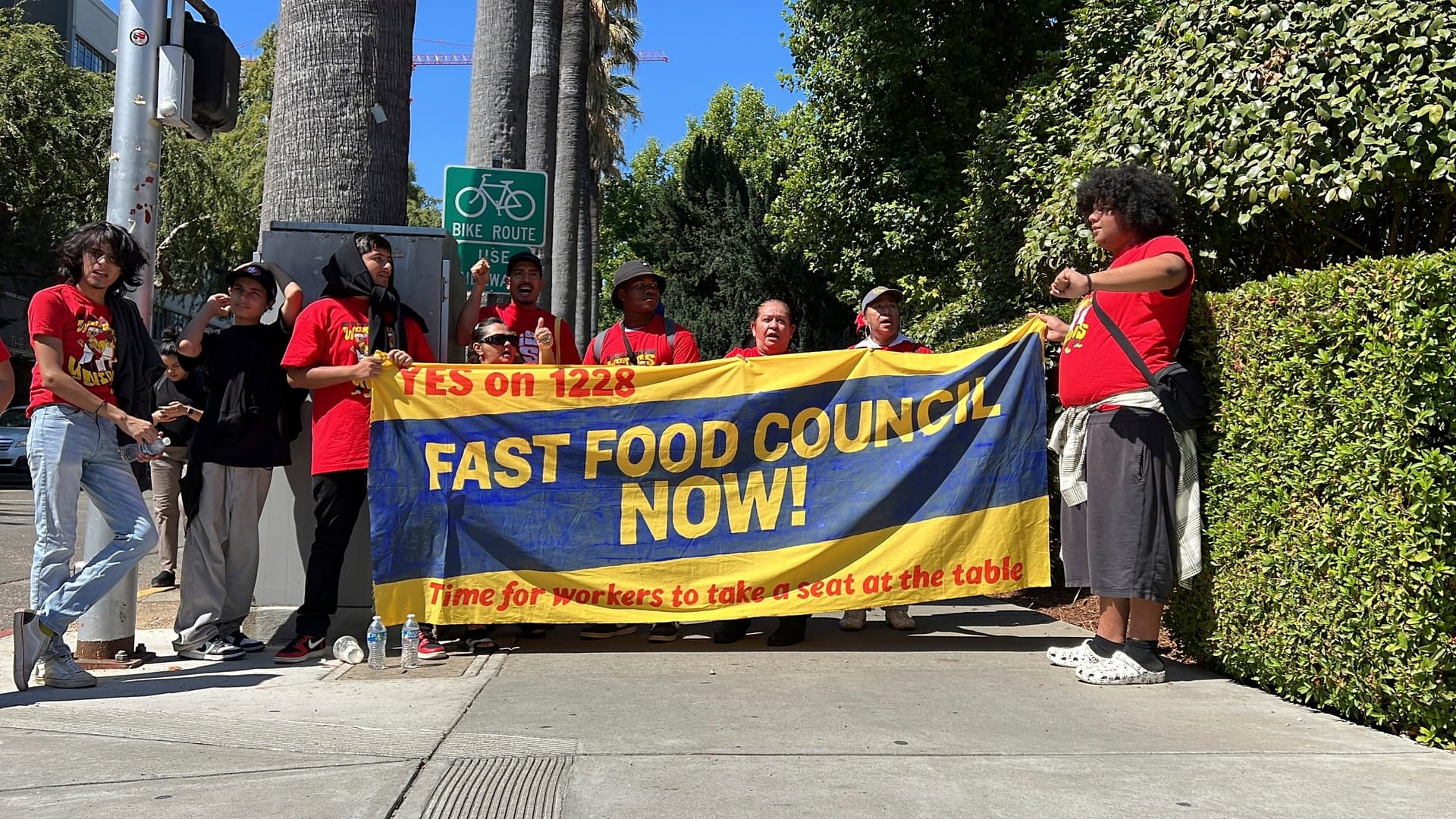
Tired of politicians in Sacramento playing economic roulette with your livelihood? California's bold experiment with a $20-per-hour minimum wage for fast-food workers—signed into law by Governor Gavin Newsom in September 2023 and effective April 1, 2024—promised to lift low-income families out of poverty. Instead, it's delivered a harsh dose of reality: massive job losses, slashed work hours, and skyrocketing menu prices that hit consumers hardest. As a staunch defender of free-market principles, I see this as exhibit A in the case against government wage mandates—they distort voluntary agreements, punish small businesses, and trap the vulnerable in unemployment lines. Backed by fresh 2025 data from rigorous studies, expert analyses, and even on-the-ground business reports, let's dissect this policy flop and why solutions like deregulation and tax relief are the only way forward.
The Wage Hike Debacle: How Government Meddling Crushed Fast-Food Jobs
California's foray into forced wage floors didn't just raise eyebrows—it raised alarms nationwide. Targeting chains with 60+ locations nationwide, the law jacked up pay from $16 to $20 an hour, a 25% spike that sounded compassionate on the campaign trail. But economics isn't swayed by good intentions. A landmark National Bureau of Economic Research (NBER) working paper, analyzing Quarterly Census of Employment and Wages data, found that fast-food employment in the Golden State plunged by 2.7% from September 2023 to September 2024—while jobs in the sector grew modestly elsewhere in the U.S. That's not a rounding error; it's the equivalent of 18,000 vanished positions that could have stayed if Sacramento had trusted the market.
By mid-2025, the toll climbed higher: Over 19,000 fast-food jobs evaporated since the hike took effect, outpacing national trends and marking the sector's steepest decline outside the Great Recession. Even the Employment Policies Institute (EPI), a watchdog on labor mandates, pegged early losses at 16,000 roles, with businesses preemptively trimming staff as the law loomed. From a conservative lens, this is fiscal irresponsibility at its worst—Newsom's team dismissed critics as fearmongers, yet the data screams otherwise. Libertarians know better: Artificially inflating costs doesn't create wealth; it just shifts the burden to job seekers, especially teens, immigrants, and low-skilled workers priced out of their first gigs. If you're Googling "California minimum wage job losses 2025," the verdict is clear: This policy is a net destroyer of opportunity.
Ripple Effects: Fewer Hours, Less Pay, and a Squeeze on Families
The carnage doesn't stop at headcounts. Workers who dodged the layoff axe are clocking fewer shifts to keep payrolls in check. Pre-hike, California fast-food employees averaged 40 hours weekly; post-April 2024, that's dipped to 35 hours on average, per EPI's deep dive into Bureau of Labor Statistics data. For a full-time earner at the old $16 rate, that's a gut-punch: Up to $4,000 in lost annual income, evaporating the very "living wage" boost the law hyped.
A bombshell July 2024 survey of California restaurant owners revealed the human cost: 89% slashed employee hours, 98% hiked menu prices (think $0.50–$1 more per Big Mac), and many turned to kiosks and automation to survive. One-third of affected workers now toil part-time but crave full schedules, trapping families in a cycle of underemployment. Sure, one Berkeley study claims hours held steady and prices barely budged—but it's funded by pro-union interests and ignores the broader BLS trends. From a libertarian viewpoint, this is coercion masquerading as care: Employers aren't villains for adapting to mandates; they're entrepreneurs fighting for survival in a rigged game. Conservatives echo the call for personal accountability—let markets set wages through negotiation, not edicts that erode self-reliance.
Dark Roots and Looming Threats: A History of Exclusion Meets $30 Ambitions
Don't buy the narrative that minimum wages are a pure-hearted fix for inequality. Their origins reek of exclusion: Early 20th-century proponents, influenced by eugenics, crafted them to bar "undesirables"—immigrants, Black workers, women, and the disabled—from competing on merit, pricing them out to "protect" native labor. As FEE.org details, these laws were the "easiest to administer" of discriminatory tools, from Oriental exclusion acts to forced sterilizations—a chilling reminder that top-down controls often mask bigotry. Fast-forward to today, and California's saga revives that specter: Entry-level roles for minorities and youth are vanishing fastest, widening gaps the policy vowed to close.
Worse, activists aren't slowing down. In November 2025, labor groups like One Fair Wage ramped up pushes for a statewide $30 minimum by 2030—phasing in $1.50 annual hikes amid soaring rents and Olympics-fueled tourism hype. Los Angeles County is already eyeing $30 for unincorporated zones, while hospitality workers face a similar cliff by 2028. Proponents tout revenue windfalls, but skeptics warn of mass closures and 50%+ price surges. Even President-elect Trump blasted it in November 2025 as a "job killer" that ignores real-world math. Libertarians see red flags: This escalates the war on small business, favoring Big Labor cronies while trampling free enterprise. Conservatives demand fiscal sanity—cut regulations, not chase utopian wage dreams.
The Bottom Line: Ditch Mandates, Embrace Freedom for Real Prosperity
California's $20 wage hike isn't just a policy misfire; it's a masterclass in unintended harm—18,000+ jobs gone, hours gutted, prices inflated, all while echoing a discriminatory past. As 2025 data piles up, the free market's verdict is unequivocal: Wage floors fracture labor markets, hurting the people they aim to help. True compassion? Slash taxes to fatten paychecks, deregulate to unleash hiring, and invest in skills training for market-driven gains. Sacramento's overreach threatens to export this mess nationwide—unless we fight back for economic liberty.
What's your story? Lost shifts from these hikes? Weigh in below and join the push for less government, more opportunity. Subscribe for more unfiltered takes on fighting big-government folly.