
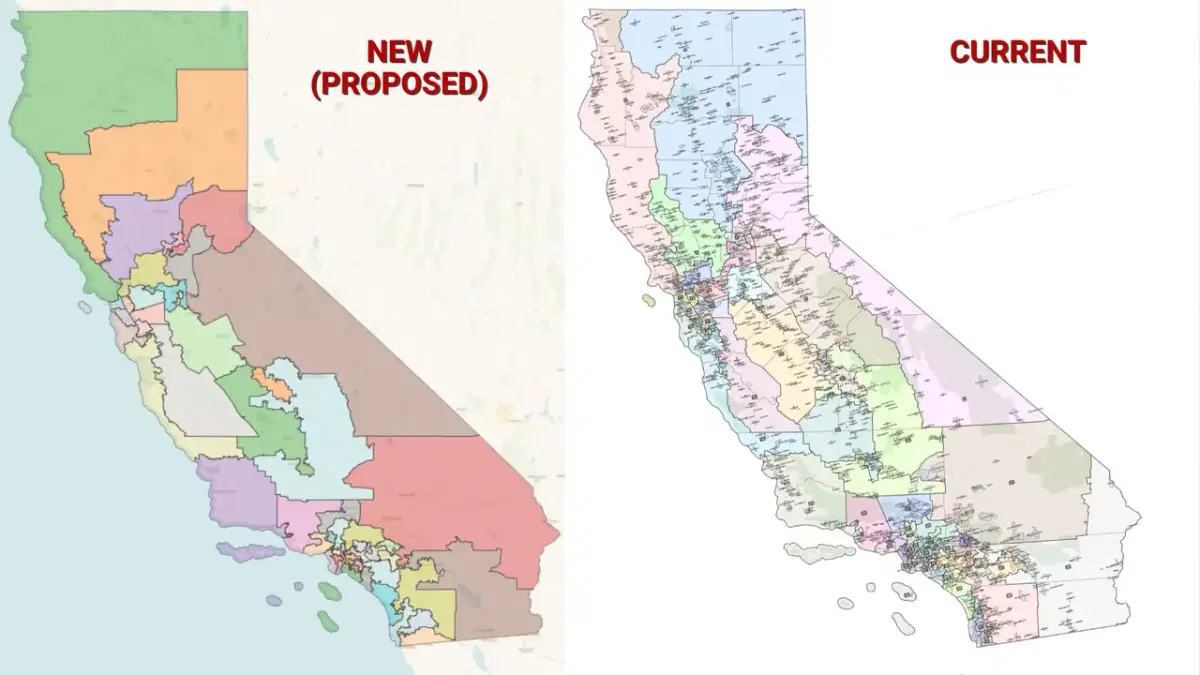
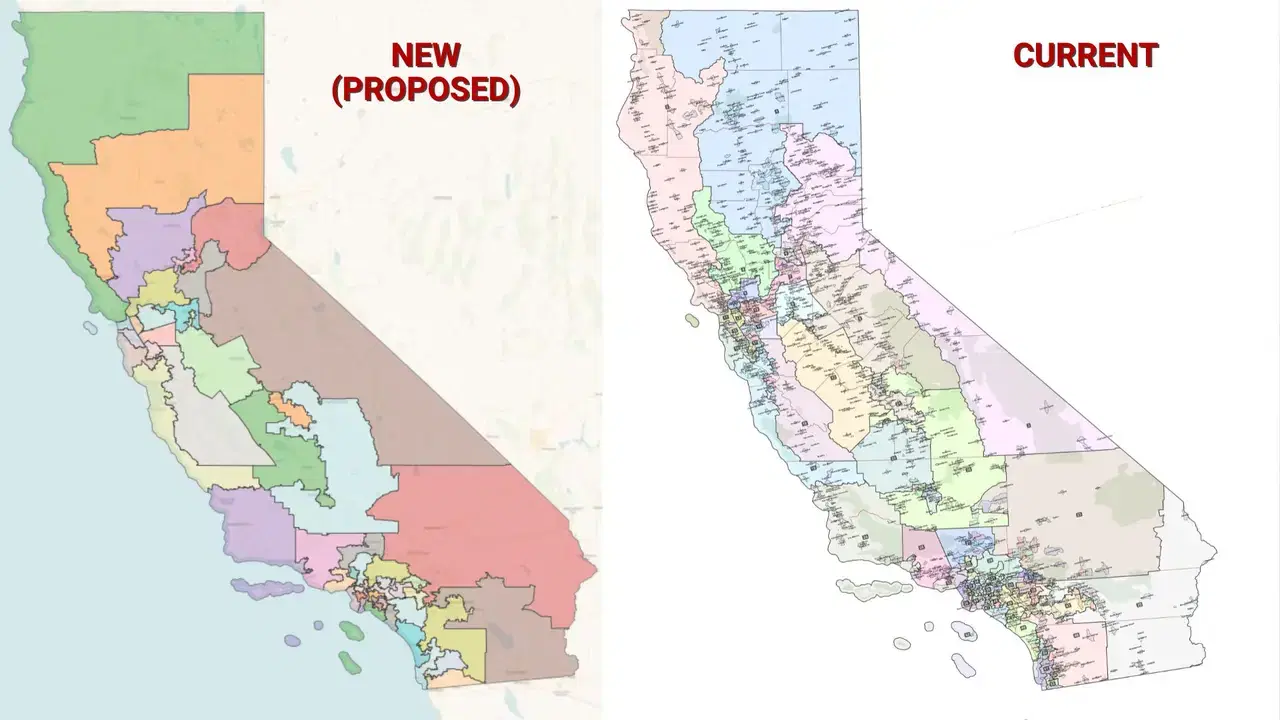
We have a classic Hollywood "Whodunnit?" playing out in the state Capitol this week. At the center of it all is a deceptively simple question: Who drew the maps? Redistricting, the once-a-decade process of redrawing electoral districts, is sparking fiery debates, shadowy accusations, and a relentless push for answers. Let’s dive into the heart of this controversy and unravel the tangled web of secrecy, influence, and ambition behind California’s political maps.
The Transparency Tangle: Why the Secrecy?
Imagine a packed room in Sacramento, where California’s Democratic heavyweights—state legislators, committee chairs, and party insiders—face a barrage of questions from journalists and voters alike. “Who drew the maps?” they ask, expecting a straight answer. Instead, they get deflections smoother than a seasoned politician’s campaign speech. Vague talk of a “collaborative process” and “team efforts” fills the air, but specific names? Those are locked away tighter than Fort Knox. This lack of transparency isn’t just frustrating—it’s fueling suspicion. Voters are left wondering: Why won’t the state’s leaders level with us? Is there bias baked into these maps, or worse, a hidden agenda to tilt the scales? In a state as diverse as California, where fair representation is everything, the silence is deafening.
Paul Mitchell: The Mapmaker Under the Microscope
Enter Paul Mitchell, the name on everyone’s lips in this redistricting drama. As the head of Redistricting Partners, a consulting firm deeply embedded in California’s political scene, Mitchell’s role in crafting these maps has set tongues wagging. His firm isn’t some neutral third party—it’s known for its Democratic leanings, having worked on redistricting efforts across the state that often align with progressive causes. Critics are sounding the alarm, pointing to Mitchell’s deep ties to Democratic interests as a red flag. But that’s not all—his wife, Jodie Hicks, adds another layer to this unfolding saga. The question on everyone’s mind: Is Mitchell’s involvement a professional gig, or is it personal?
A Sacramento Power Couple Pulling Strings
Paul Mitchell and Jodie Hicks aren’t just players in this game—they’re a political power couple rewriting the rulebook. Hicks, as CEO of Planned Parenthood Affiliates of California, wields serious clout in Sacramento’s progressive circles. Her organization, a titan in the fight for reproductive rights, has faced brutal funding cuts under the Trump administration, giving Hicks and her allies a personal stake in California’s political future. Redistricting isn’t just about drawing lines; it’s about securing districts that elect lawmakers friendly to their causes. With Mitchell’s mapmaking expertise and Hicks’ influence, some critics argue this duo could be steering California’s maps to protect Democratic strongholds or even settle old political scores. The optics aren’t great, and the whispers of conflict of interest are growing louder by the day.
The Bigger Picture: Power, Politics, and California’s Future
Zoom out, and it’s clear this redistricting battle is about way more than maps. It’s a high-stakes clash of ideologies, a tug-of-war for control, and a defining moment for California’s democracy. Every line drawn determines which communities get a voice, which issues take center stage, and who holds power in Sacramento and beyond. Are these maps a good-faith effort to reflect California’s vibrant diversity—urban, rural, coastal, inland, progressive, conservative? Or are they a strategic power grab, designed to cement Democratic dominance and marginalize dissenting voices? With California’s population shifts, growing diversity, and polarized politics, the stakes couldn’t be higher. These maps will shape elections for the next decade, deciding everything from school funding to climate policies to healthcare access.
The Plot Thickens: A Call for Answers
As the redistricting saga grips California, the mystery deepens. Voters, watchdog groups, and even some lawmakers are demanding transparency and accountability, but the truth remains just out of reach. Who exactly drew these maps, and what drove their decisions? Was it data, demographics, or something more personal? In a state where trust in institutions is already shaky, the secrecy surrounding redistricting is pouring fuel on the fire. This isn’t just a Sacramento insider game—it’s a fight for the soul of California’s democracy, and the clock is ticking.