
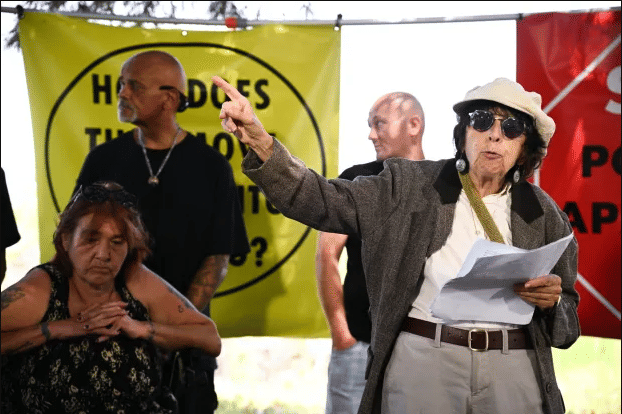
San Diego, with its postcard beaches and polished downtown, loves to sell itself as America’s Finest City. But beneath the sunny veneer lies a festering scandal: a federal lawsuit that exposes the city’s so-called “safe sleeping sites” as little more than a cruel mirage for the unhoused. This legal challenge, driven by activist attorneys, isn’t just a cry for justice—it’s a blistering takedown of San Diego’s systemic incompetence, political posturing, and outright neglect of its most vulnerable residents. The question isn’t just what’s gone wrong—it’s how a city drowning in wealth and resources could fail so spectacularly.
A Lawsuit That Cuts Deep
The lawsuit targets San Diego’s safe sleeping sites, launched in 2023 with fanfare by Mayor Todd Gloria as a “compassionate” answer to the city’s spiraling homelessness crisis. These sites—structured encampments meant to provide shelter, sanitation, and security—were supposed to be a lifeline. Instead, they’re a disgrace. Residents like Laura, who’s endured life at one of these sites, describe conditions that sound ripped from a dystopian novel: rat-infested tents, broken or nonexistent toilets, and a complete absence of basics like clean water or medical care. The lawsuit doesn’t mince words, calling these sites not just unlivable but discriminatory, especially for people with disabilities who face inaccessible terrain and zero accommodations for their needs. The plaintiffs demand court-ordered fixes and damages, arguing that San Diego has violated federal law and basic human decency. This isn’t a minor oversight—it’s a betrayal. The city promised safety and dignity but delivered squalor and chaos. Over 10,000 San Diegans are unhoused on any given night, according to the Regional Task Force on Homelessness, and yet the city’s flagship solution is a patchwork of tents that barely pass as humane. The lawsuit’s allegations paint a picture of a city that’s not just failing to solve homelessness but actively making it worse.
Activists or Opportunists?
Leading the charge are attorneys Anne Menasche and Genevieve Jones-Wright, whose resumes raise as many eyebrows as their legal filings. Menasche, a civil rights lawyer and co-founder of Feminist in Struggle, has a track record of high-profile activism that often blurs the line between advocacy and ideology. Jones, a former political candidate bankrolled by figures like George Soros, brings a whiff of political maneuvering to the case. Their involvement invites skepticism: is this lawsuit a genuine push for justice or a calculated move to score points in a broader culture war? Either way, their case is a damning indictment, forcing San Diego to confront its failures under a national spotlight. But their agendas add a layer of complexity—when the advocates are this polarizing, it’s hard not to wonder if the unhoused are being used as pawns in a larger game.
A City’s Shameful Track Record
The lawsuit is just the latest chapter in San Diego’s long saga of mismanaging its homelessness crisis. A 2024 state audit laid bare the city’s dysfunction, revealing a shocking lack of oversight over hundreds of millions in taxpayer dollars meant to address homelessness. Funds have been squandered or untracked, with no clear plan for permanent housing or supportive services. The audit’s findings read like a laundry list of incompetence: misallocated budgets, nonexistent performance metrics, and a failure to coordinate with nonprofits or service providers. Despite San Diego’s wealth—bolstered by tourism, biotech, and a booming real estate market—the city has nothing to show for its spending but a growing population of unhoused residents and frustrated taxpayers. The safe sleeping sites are a case study in this failure. Touted as a pragmatic fix, they’ve become a symbol of everything wrong with San Diego’s approach. Overcrowded, understaffed, and disconnected from critical services like mental health care or job training, these sites don’t solve homelessness—they entrench it. Meanwhile, downtown businesses and residents are fed up, caught between compassion fatigue and the reality of encampments spilling onto sidewalks. Mayor Gloria’s administration, quick to pat itself on the back for “innovative” solutions, has yet to answer for why these sites are such a catastrophic mess.
A National Embarrassment
San Diego’s crisis is a microcosm of a national failure, but that’s no excuse. With median rents for a one-bedroom apartment hovering around $2,500 and a minimum wage stuck at $16 an hour, housing is a fantasy for many. The opioid epidemic and gutted social safety nets only deepen the crisis. Yet San Diego, with its abundant resources and progressive rhetoric, should be a leader, not a cautionary tale. Instead, it’s stumbling over the basics, unable to deliver even temporary shelter without violating human rights. The lawsuit’s claim of discrimination under the Americans with Disabilities Act could have far-reaching implications, potentially forcing other cities to reckon with their own failures. But for San Diego, it’s a humiliating wake-up call.
Time for Accountability
This lawsuit isn’t just about fixing a few tents—it’s about dismantling a broken system. San Diego’s leaders have coasted on promises and photo-ops for too long, while the unhoused bear the brunt of their incompetence. The legal battle will drag on, but the real fight is in the streets, where residents are demanding answers. Community forums and social media campaigns are gaining steam, pushing for permanent housing, mental health services, and real oversight of funds. But will the city listen, or will it keep kicking the can down the road? San Diego’s homelessness lawsuit is a gut punch, exposing a city that’s failed its most vulnerable while hiding behind a sunny facade. This isn’t just a local embarrassment—it’s a challenge to every city pretending to care about its unhoused. The question now is whether San Diego will own its failures and act, or keep serving up excuses.