
In 2008, Californians were sold a shining promise—a state-of-the-art high-speed rail network linking San Francisco to Los Angeles in under three hours, easing congestion, sparking economic growth, and delivering a greener tomorrow. Voters approved nearly $10 billion in bonds for what was pitched as a $33 billion project wrapping up by 2020. Today, that vision feels like a distant memory replaced by frustration, endless excuses, and a growing sense that taxpayers are being taken for a ride.
The numbers alone are enough to make your blood boil.
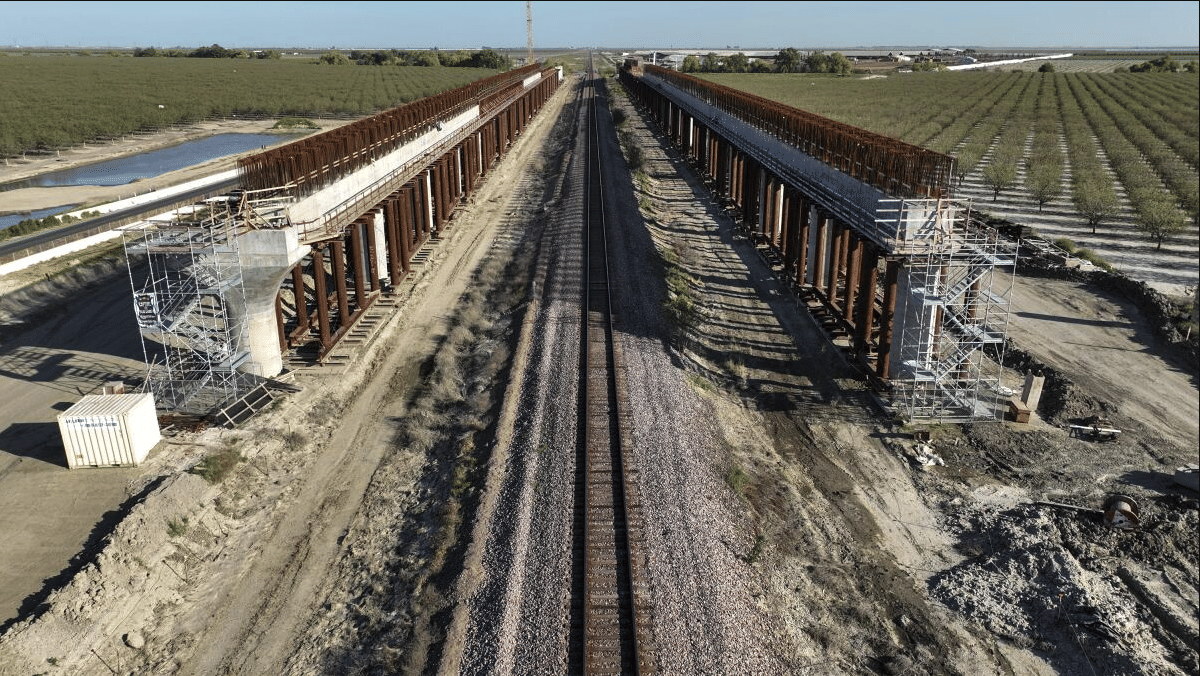
What started at $33 billion has exploded. Recent estimates for the full San Francisco-to-Los Angeles line range from $89 billion to $128 billion—or higher when inflation and delays are factored in. Yet after more than $13-15 billion spent (mostly state and some federal funds), no high-speed trains are running anywhere. Construction remains laser-focused on a 171-mile "Initial Operating Segment" in the Central Valley from Merced to Bakersfield. As of early 2026, active work spans about 119 miles, with 58 structures finished, 80 miles of guideway laid, and nearly all needed properties acquired. Officials talk of track-laying starting soon and testing in 2028, with revenue service perhaps by 2032 for that limited stretch. But the full dream? Pushed to 2038 or beyond—if it ever happens.
Billions keep flowing, often to resolve disputes rather than build tracks.
A jaw-dropping example: In January 2026, the High-Speed Rail Authority approved a record $537 million settlement with contractor Dragados-Flatiron Joint Venture—the largest payout in project history—to settle hundreds of change orders and claims over delays and extra costs. This alone pushes the total change orders for that contract well over $1 billion. Critics see it as another symptom of a system where taxpayer money vanishes into legal fights and revisions while tangible progress crawls.
And just when transparency seemed more urgent than ever, a bill arrives that could lock even more details away.
The Push to Shield Information from Public Eyes
Assembly Bill 1608, introduced by Assembly Transportation Committee Chair Lori Wilson, aims to rename and empower the project's Office of the Inspector General. Supporters say it provides standard confidentiality tools for audits, investigations, and sensitive communications—similar to other agencies—to protect against exploitation of vulnerabilities. But opponents, including transparency advocates and some lawmakers, worry it carves out exceptions allowing the Inspector General to withhold records if they might "reveal weaknesses" that could harm state interests or benefit others inappropriately.
In a project already dogged by questions about mismanagement, this feels like adding another layer of opacity. When citizens file public records requests expecting answers on where billions go, exceptions for anything deemed risky could keep cost overruns, contractor disputes, or potential issues hidden. The timing—surfacing amid massive settlements and ongoing scrutiny—only deepens the suspicion that inconvenient truths are being protected.
Adding to the chaos: A construction fire at the Church Avenue overpass site in southeast Fresno halted work one morning in early February 2026. Investigators pointed to routine activities igniting temporary falsework (shoring structures used in concrete pours). Whether mishap or metaphor, it captured the project's persistent turbulence—progress interrupted, costs mounting, and public patience wearing thin.
This isn't merely a transportation setback; it's a deep erosion of faith in government promises.
Californians from bustling cities to rural valleys watch their taxes fund viaducts, overpasses, and endless planning while roads crumble, housing costs soar, and basic services strain. Leaders offer assurances of "momentum" and "milestones"—like procuring rail materials in 2026 or exploring private partnerships—but the reality on the ground breeds anger: How many more settlements, delays, and secrecy measures before accountability kicks in?
Why This Hits Home for Everyday Californians
The frustration runs deep because this project touches core issues—hard-earned money wasted, grand visions that never materialize, and officials seemingly more focused on managing narratives than delivering results. When a $537 million payout makes headlines the same week as proposals to shield records, it fuels a rightful outrage: Are we building a future, or just feeding a machine that benefits insiders?
The stakes are bigger than trains. When government routinely obscures failures on this scale, it undermines the basic compact with taxpayers. People deserve straight answers, not spin wrapped in confidentiality clauses.
Time to Demand Real Change
Californians aren't powerless. Stay informed on every dollar spent and every promise made. Contact representatives and insist on unfiltered transparency—no carve-outs, no hidden reports. Share the facts widely to spark conversations that can't be ignored.
The high-speed rail was supposed to unite California. Instead, it's become a glaring symbol of disconnection between leaders and the people they serve. The real question: How much more will slip away before everyday citizens force the system to prioritize results over excuses?
Want to stand against endless waste and government overreach? Visit our shop and grab a shirt proclaiming “Tear It All Down and Start Over.”