
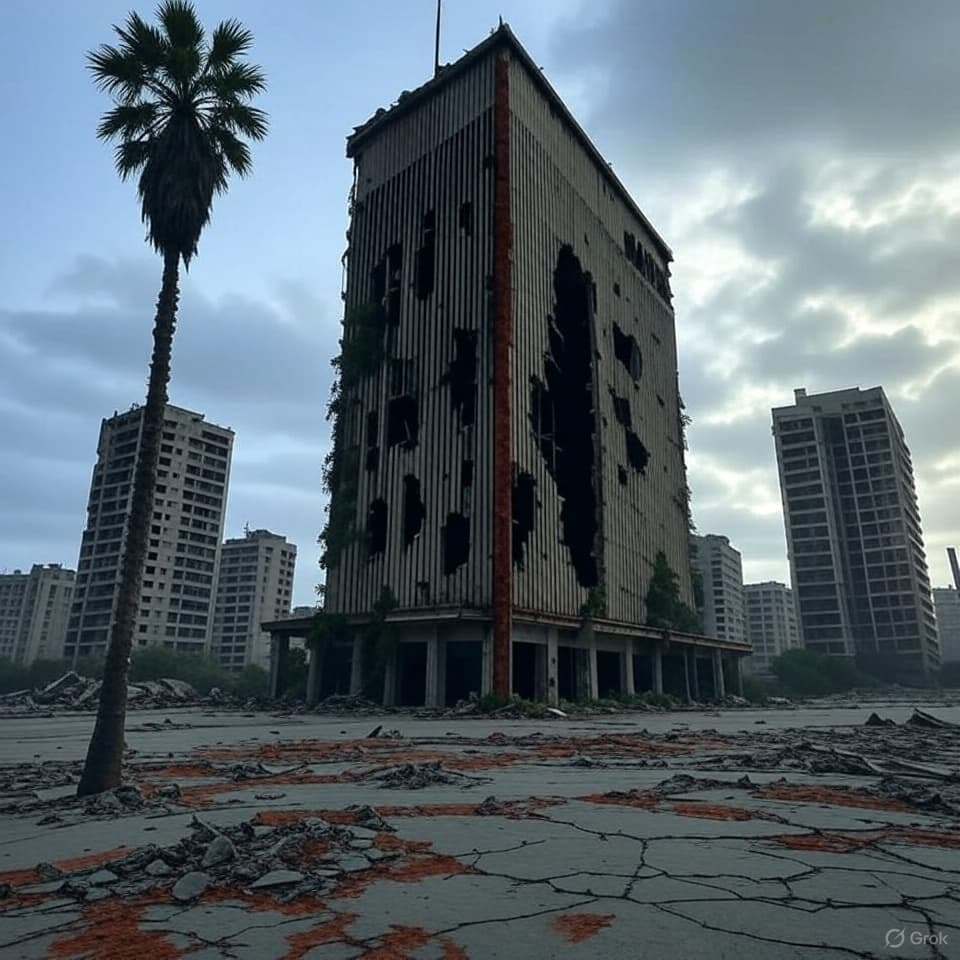
In the heart of San Diego, a towering symbol of broken dreams and shattered trust looms over the city: the 101 Ash Street building. This 21-story high-rise, once envisioned as a beacon of civic progress, has become a gut-wrenching saga of political corruption, mismanagement, and outright betrayal that spans decades. It’s a story that will make your blood boil, your heart ache, and your resolve to demand accountability stronger than ever.
Built in 1967 as a gleaming headquarters for San Diego Gas & Electric (SDG&E), 101 Ash Street stood tall at 315 feet, housing corporate offices and dreams of a thriving downtown. For 30 years, it served SDG&E faithfully until its parent company, Sempra Energy, took over from 1998 to 2015. But beneath its steel-and-concrete facade lurked a toxic secret: asbestos, woven into the building’s very bones, waiting to wreak havoc. By 2014, Sempra itself flagged the building’s dangers, citing asbestos and seismic risks as reasons to abandon ship. Yet, what followed was a chain of decisions so reckless, it’s hard to believe they weren’t deliberate.
In 2016, under then-Mayor Kevin Faulconer, San Diego dove headfirst into a $128 million lease-to-own deal with Cisterra Development, a move touted as a savvy plan to consolidate city offices. But here’s the gut-punch: the city signed on without proper inspections, ignoring warnings from engineers and even the building’s former owner, Sandor “Sandy” Shapery, who handed over thousands of pages documenting the asbestos nightmare. The result? A disaster that unfolded like a slow-motion trainwreck. Renovations in 2017 disturbed the asbestos, releasing toxic fibers that made the building uninhabitable. Workers, unaware of the danger, were exposed, and by December 2019, the city evacuated hundreds, leaving personal belongings behind to avoid further contamination. The betrayal stings deeper when you realize the city knew about the asbestos all along but pressed forward anyway.
The financial toll is staggering. By 2020, the city had sunk over $58 million into lease payments and renovations, only to face a $202 million bill over 20 years for a vacant, hazardous high-rise. In 2022, the City Council approved an $86 million buyout to end the lease, a desperate attempt to cut losses, while recovering $9.4 million from a shady real estate broker, Jason Hughes, who later pled guilty to a conflict-of-interest charge. Every dollar spent is a slap in the face to taxpayers, who’ve been forced to foot the bill for this monument to incompetence. Now, the city is doubling down with a bold—or reckless—new plan: transform this asbestos-ridden relic into affordable housing.
The San Diego City Council recently approved a 60-year lease with developers MRK Partners and Create Dev LLC, led by Kelly Moden, who also chairs the San Diego Planning Commission. The project, pegged at a jaw-dropping $267.6 million—roughly $1.1 million per unit—aims to create 247 affordable apartments, retail space, and a childcare center. But the deal is steeped in controversy. Moden’s dual role as a city official and developer has ignited accusations of a conflict of interest, despite the Ethics Commission’s dismissal of wrongdoing. Critics, including attorney Michael Aguirre, scream fraud and lack of transparency, pointing to the 60-year lease for a building with only a 40-year lifespan and ongoing maintenance costs of $2 million a year. The developers stand to pocket a $32.7 million fee, while the city waits 15 years for payments, leaving taxpayers to shoulder the risk.
This isn’t just about a building—it’s about a city betrayed by those sworn to protect it. From ignored warnings in the 2010s to a sweetheart deal in 2025, 101 Ash Street is a raw, infuriating clash of power, greed, and broken promises. As San Diego barrels toward this uncertain future, one question burns: will we ever see transparency and integrity, or are we just pawns in a game rigged by the powerful? Share your outrage, your hopes, or your fears in the comments below. This is our city, and we deserve better.