
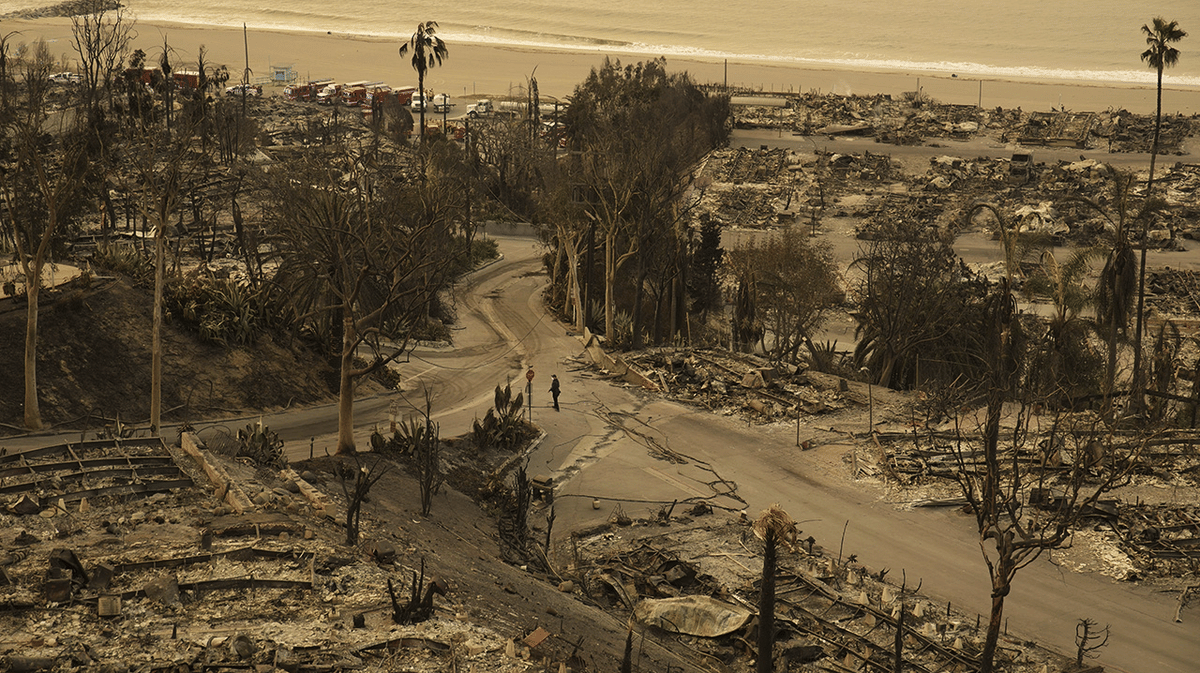
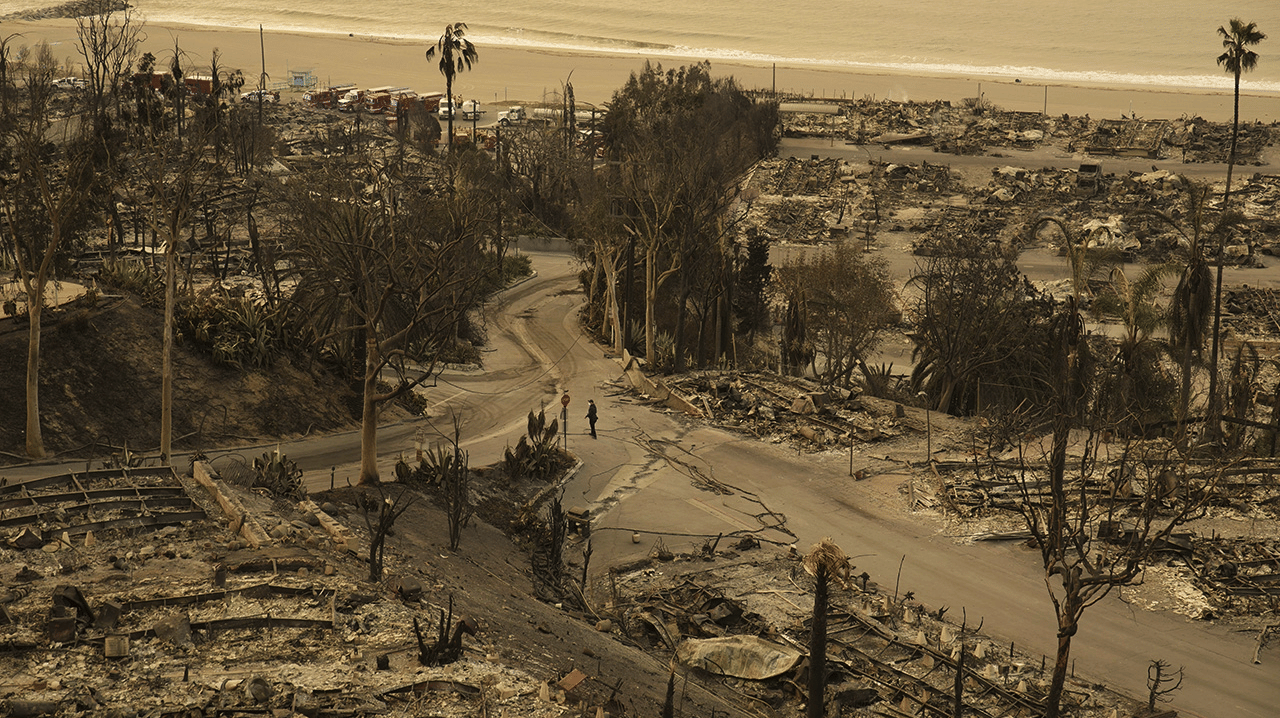
A Region in Flames
Southern California’s 2025 wildfire season has left communities shattered, with the Eaton, Fairview, and Palisades fires scorching tens of thousands of acres, claiming dozens of lives, and destroying thousands of homes. At the heart of this catastrophe is a federal lawsuit filed by the Trump administration’s Department of Justice (DOJ) against Southern California Edison (SCE), accusing the utility giant of negligence that allegedly sparked the Eaton and Fairview fires. As the region grapples with loss, this legal battle exposes a tangled web of corporate failures, infrastructure mismanagement, and political finger-pointing. What went wrong, and who’s truly accountable?
The Lawsuit: A Demand for Accountability
On September 4, 2025, the DOJ filed two lawsuits seeking over $77 million in damages from SCE for its alleged role in the Eaton fire (January 7, 2025) and the Fairview fire (September 5, 2022). The Eaton fire, which tore through Altadena, burned nearly 8,000 acres in the Angeles National Forest, destroyed over 10,000 structures, and killed 19 people, making it one of California’s most destructive blazes. The Fairview fire, in Riverside County, scorched 14,000 acres in the San Bernardino National Forest, killed two, and razed 44 structures. Federal prosecutors, led by Acting U.S. Attorney Bill Essayli, allege SCE’s failure to maintain power lines caused both fires. Evidence includes video footage, eyewitness accounts, and SCE’s own SEC filing admitting a “fault” on its transmission line at the time the Eaton fire ignited. For the Fairview fire, a sagging SCE power line reportedly sparked flames by contacting a Frontier Communications cable. “But for Edison’s negligence, these fires would not have started,” Essayli declared, emphasizing a “troubling pattern” of mismanagement costing lives and taxpayer dollars.
A Cascade of Failures
The lawsuits don’t stop at SCE. Los Angeles County, Pasadena, and Sierra Madre have also sued, alleging SCE’s faulty equipment and failure to de-energize lines during high-wind warnings sparked the Eaton fire. Despite National Weather Service “fire weather watch” alerts, SCE left power lines active, risking sparks in dry, windy conditions. A video showing arcing near SCE’s Eaton Canyon transmission towers and a detected electrical fault at 6:11 p.m. on January 7 bolster these claims. The county seeks hundreds of millions for infrastructure damage, environmental harm, and recovery costs, highlighting the fire’s disproportionate impact on Altadena’s Black middle-class community, where nearly half of Black homeowners lost properties. Meanwhile, the Palisades fire, which killed 12 and destroyed over 6,500 structures, exposed another layer of failure. Residents sued the Los Angeles Department of Water and Power (LADWP) for dry fire hydrants, linked to the empty Santa Ynez Reservoir, offline for repairs since February 2024. This left 20% of hydrants in Pacific Palisades inoperable, crippling firefighting efforts. The reservoir’s closure, combined with infrastructure unable to handle surging demand, turned a manageable crisis into a catastrophe.
Political Sparks and Public Outrage
The crisis has ignited a political firestorm. President-elect Donald Trump criticized Governor Gavin Newsom and Mayor Karen Bass, alleging their policies exacerbated the disaster. Trump claimed Newsom’s refusal to sign a “water restoration declaration” left hydrants dry, though Newsom’s office called this “pure fiction,” clarifying no such document exists. Trump’s team later referenced a 2020 memorandum to divert Northern California water to southern farms, unrelated to firefighting. Newsom countered by ordering an investigation into the Santa Ynez Reservoir’s closure and water pressure failures. At the same time, Bass faced scrutiny for fire department budget cuts of $17.6 million, which Chief Kristin Crowley said “severely” hampered responses. Critics argue California’s broader policies share blame. The state’s wildfire fund, created after the 2018 Camp Fire to shield utilities from bankruptcy, faces depletion if SCE’s liability exceeds $8-9 billion. Experts like Michael Wara warn that inverse condemnation laws, holding utilities liable even without negligence, may need reform as climate-driven fires intensify.
A Path to Justice?
SCE insists it’s reviewing the lawsuits and remains committed to wildfire mitigation through grid hardening and enhanced practices. Yet, with over 40 lawsuits from residents, counties, and cities piling up, the utility’s history of settlements—$63 million for the 2018 Woolsey fire and $80 million for the 2020 Bobcat fire—suggests a pattern. SCE’s voluntary compensation program for Eaton fire victims, launched in July 2025, aims to expedite relief, but questions linger about systemic change. As investigations continue, the human toll is undeniable. Altadena’s cultural heritage, Pacific Palisades’ vibrant community, and countless livelihoods lie in ashes. The lawsuits demand accountability, but they also expose a deeper truth: preventable failures fueled this disaster. Will SCE and LADWP reform, or will California’s wildfire saga repeat? Stay tuned as we uncover the truth behind the flames.