
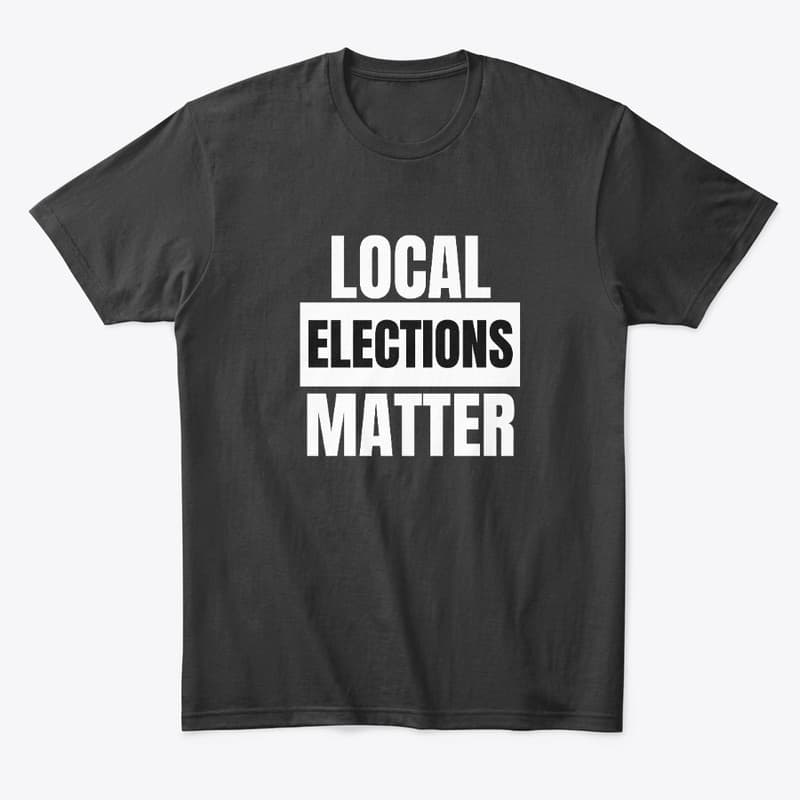
It's easy to get caught up in the drama of national elections; presidential races, Senate battles, and congressional contests dominate the headlines. But while those races shape national (and even international) policies, it's the local elections that often have the most immediate and tangible effects on our everyday lives. From the quality of your child's education to the safety of your neighborhood streets, (to beach and park lockdowns as seen during Covid in 2020) local officials make decisions that hit close to home. Yet, voter turnout in these elections remains disappointingly low, meaning a small group of people often decides for the majority. Here's why paying attention to, and participating in, local elections in California is crucial.
Local elections determine who runs the show in your city, county, and school district, influencing everything from public safety to community infrastructure. Your mayor, city council members, and county supervisors handle budgets that fund police departments, fire services, parks, and roads. In California, where issues like wildfires, traffic congestion, and homelessness are rampant, these leaders decide how resources are allocated to address them. For instance, city councils approve zoning laws that can ease or exacerbate the housing crisis, a perennial problem in places like Los Angeles and San Francisco. Unlike federal politicians, local officials are more accessible and accountable to residents, making your vote a direct tool for change in your immediate environment.
California faces unique challenges that are often best addressed at the local level. Education is a prime example: school board members oversee curriculum decisions, teacher hiring, and school funding, which directly affects student outcomes in a state with over 6 million public school students. School boards can also school boards can place measures on the ballot for voter-approved school bonds to fund facilities. Local elections also elect district attorneys and sheriffs, who shape criminal justice policies, from policing strategies to prosecution priorities, key to reforming systems amid ongoing debates about equity and safety, and concern over law and order.
Environmental and resource management is another area where local votes noticeably matter. Water districts, air quality boards, and regional transit authorities are elected bodies that manage California's precious resources, especially in the face of drought and climate change (see: L.A. wildfires January 2025). In coastal areas, local leaders decide on policies for beach preservation and flood control, while inland communities vote on agricultural water rights. These decisions have on affect food prices, energy bills, and even job markets.
Moreover, California's system of district versus at large elections influences representation. Many cities have shifted to district-based voting under the California Voting Rights Act to ensure minority communities have a fairer say, reducing the dominance of well funded candidates in citywide races.
Despite their importance, local elections in California suffer from chronically low participation. Average turnout in city council races hovers around 48% of registered voters, and it's even lower in off year elections not aligned with national cycles. This means decisions impacting millions are made by a fraction of the population. Low turnout undermines democracy, as it allows special interests to wield outsized influence. Efforts to boost engagement, like rescheduling local elections to coincide with state or federal ones, have shown promise in increasing participation and making outcomes more representative. In California, where voter initiatives and propositions already draw crowds to the polls, aligning local races could amplify voices on critical issues.
Local elections aren't just about potholes and parks, they're often the launchpad for state and national leaders. Many California politicians, including governors and U.S. senators, started in city councils or county boards. Governor Gavin Newsom started his political career in 1996 when then mayor of San Francisco appointed him to the city's Parking and Commission. Now in 2025, Newsom is serving his second term as California governor. By voting locally, you're shaping the outcome of future policymakers who could influence statewide laws on everything from healthcare to gun control. Plus, local wins can set precedents; for example, progressive policies on minimum wage or environmental protections in cities like Berkeley or Oakland have inspired similar measures across the state.
At their core, local elections are the bedrock of American democracy, where civic engagement begins. In California, with its mosaic of urban, rural, and suburban communities, these races ensure that diverse needs are met without one size fits all solutions from Sacramento or Washington, D.C. California is a huge state both in population and size, with 58 counties. Every county, and even every city within those counties, have specific and diiffering needs than their next door cities and counties. Participating fosters a sense of community and accountability, reminding us that government works best when it's truly by the people and for the people.
While the spotlight shines on national politics, don't overlook the power of your local ballot. With turnout lagging, your vote carries even more weight, it's an investment in your neighborhood, your schools, your future, and likely your bank account due to local taxes. Check your local election dates, research the candidates, and make your voice heard.
Please check out our Local Elections Matter t-shirt, as well as our other California Underground merch in our shop! lifo
yrnia, with its mosaic of