
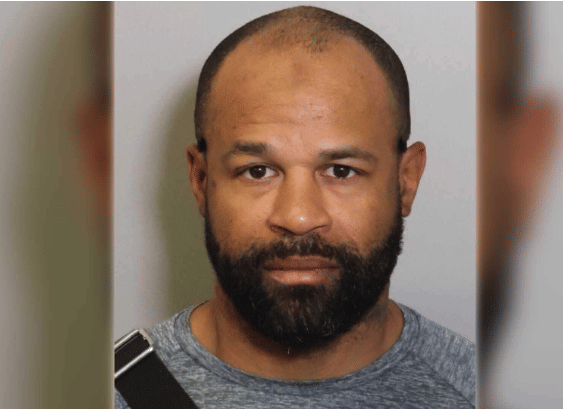
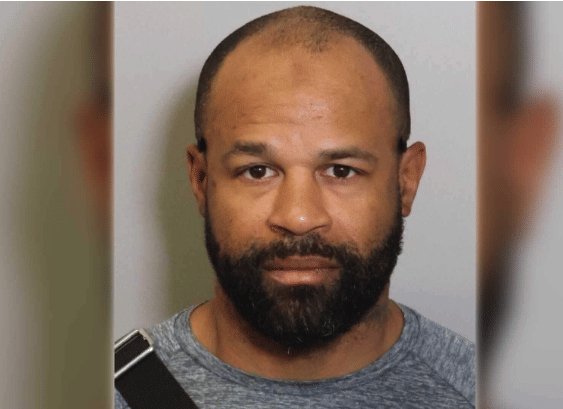
It's a crisp November night out in Elk Grove, California—1:30 a.m., to be exact. The vibe at Z Town Gastro Bar is electric, a Korean fusion spot buzzing with late-night laughs, craft cocktails, and the kind of carefree energy that makes weekends unforgettable. Then, chaos erupts. Gunshots shatter the air, bodies hit the floor, and what started as an argument spirals into tragedy. By dawn, one man is dead, three others are fighting for their lives. Days later, a second victim—34-year-old Phuc Minh Vo from San Jose—succumbs to his injuries. The suspect? A ghost from California's "progressive" past: 43-year-old Roderick Bernard Randall, a career criminal with a rap sheet longer than a bad sequel. He's armed, dangerous, and still on the loose, turning a quiet suburb into a manhunt movie nobody signed up for.
If this sounds like the plot of a gritty Netflix thriller, that's because it is—except the villain's early parole wasn't scripted by Hollywood. It was courtesy of California's soft-on-crime policies, a well-intentioned but wildly misguided experiment in criminal justice reform that's left communities paying the ultimate price. Randall wasn't some wide-eyed first-timer; back in 2012, he was nailed for a gang-related shooting in Sacramento, part of a Viet Pride crew beef that nearly claimed lives. Convicted of attempted murder, he drew an 88-year sentence—harsh, sure, but fitting for a guy who treated violence like a hobby. Fast-forward to 2023: Thanks to Penal Code Section 1172.6, a resentencing loophole born from Senate Bill 1437 (passed in 2018), Randall walks free. This law lets courts revisit old convictions under the "natural and probable consequences" doctrine—a legal relic that once held accomplices accountable for foreseeable fallout in gang hits or felonies gone wrong. The goal? Fix "systemic injustices" and slash mass incarceration, which California has done dramatically: prison populations plummeted 36% since the 1990s, from 613 to 393 inmates per 100,000 residents.
Noble on paper, disastrous in practice. Critics—and the blood on Elk Grove Florin Road—slam these reforms as a get-out-of-jail-free card for the dangerously unrepentant. SB 1437 and its resentencing kin have sprung thousands early, but they've also coincided with a crime spike that's got Golden State residents locking their doors twice. Violent crime jumped 1.7% from 2022 to 2023, hitting 503 incidents per 100,000 people, while property theft—fueled by Proposition 47's 2014 misdemeanor downgrade for "petty" steals under $950—surged post-pandemic, with smash-and-grabs becoming a retail rite of passage. Recidivism? Studies show low re-incarceration rates (under 2% for serious felonies in the first year), but that's cold comfort when repeat players like Randall turn bars into battlegrounds. It's the classic reform paradox: Fix one injustice, unleash another. California's "second look" policies sound enlightened, but they've created a revolving door where gangbangers waltz out, and everyday folks foot the bill—in fear, dollars, and far too often, funerals.
Enter Proposition 36, the 2024 ballot bombshell that voters dropped like a mic: 68% approval to toughen penalties on repeat fentanyl dealers and thieves, mandating treatment over slaps on the wrist. It could've slammed the brakes on Randall's release by beefing up sentences for drug-fueled violence. But here's the punchline: Governor Gavin Newsom, who campaigned against it harder than a bad breakup, starved it of funds. His initial 2025 budget? Zero dollars for implementation. Only after backlash—and a measly $127 million in grants by September—did he toss counties some crumbs, leaving local DAs and sheriffs scrambling. Sacramento County DA Thien Ho called it a "betrayal of voter will," with business owners echoing that Prop 36's underfunding means soft policies persist, emboldening the bold and the brazen. Newsom's defenders tout behavioral health investments, but when a freed felon turns a gastro pub into a graveyard, excuses ring hollow.
This isn't just Elk Grove's nightmare—it's California's wake-up call. From LA's fentanyl-fueled overdoses (up 30% since 2020) to SF's shoplifting spectacles, soft-on-crime critics argue we've traded justice for virtue-signaling, prioritizing offender "reentry" over victim safety. Voters rejected "soft" DAs in 2024 elections, demanding balance: Reform the system, yes—but not by handing loaded guns to proven threats. As Randall's manhunt drags on, one question haunts the headlines: How many more "reforms" before we reform the reformers?
California's criminal justice saga is far from over. For the latest on soft-on-crime fallout, Prop 36 battles, and tips to stay safe in the Golden State gone gritty, subscribe now. Your neighborhood might depend on it.