
Ah, California, that glittering bauble of the Pacific, where the air is thick with the scent of eucalyptus and the reek of bureaucratic flatulence. Once a beacon of rugged individualism—think Gold Rush miners staking claims without a permit from some distant commissar—now reduced to a whimpering supplicant at the altar of its own regulatory monstrosity.
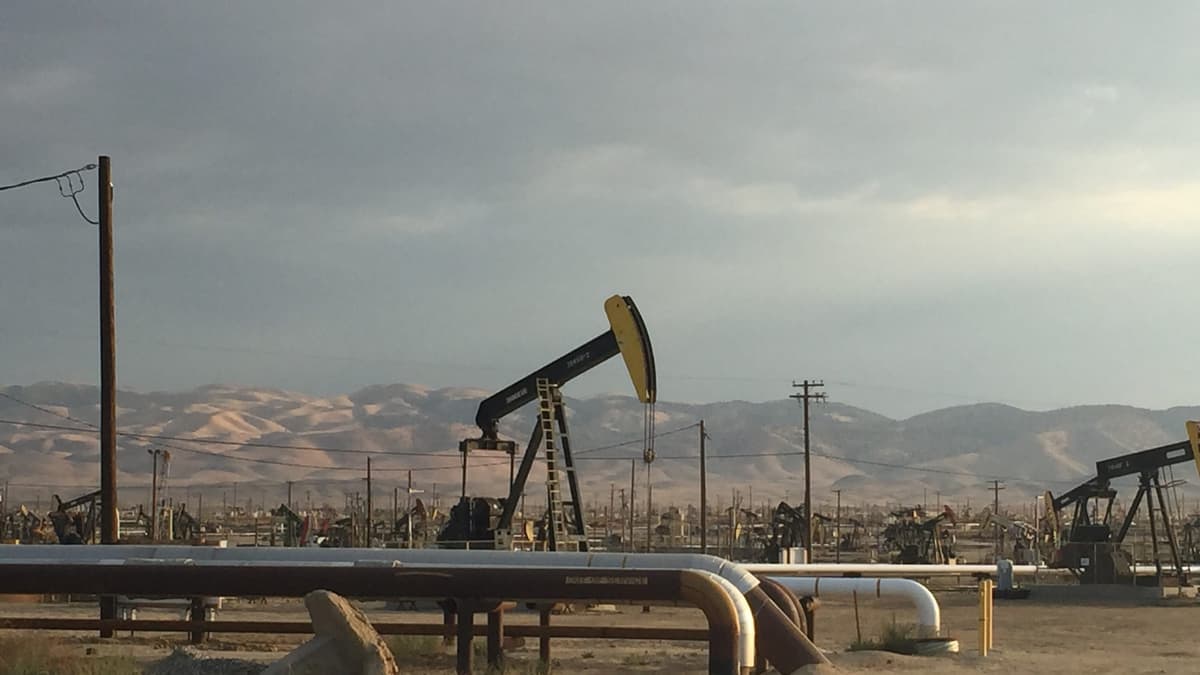
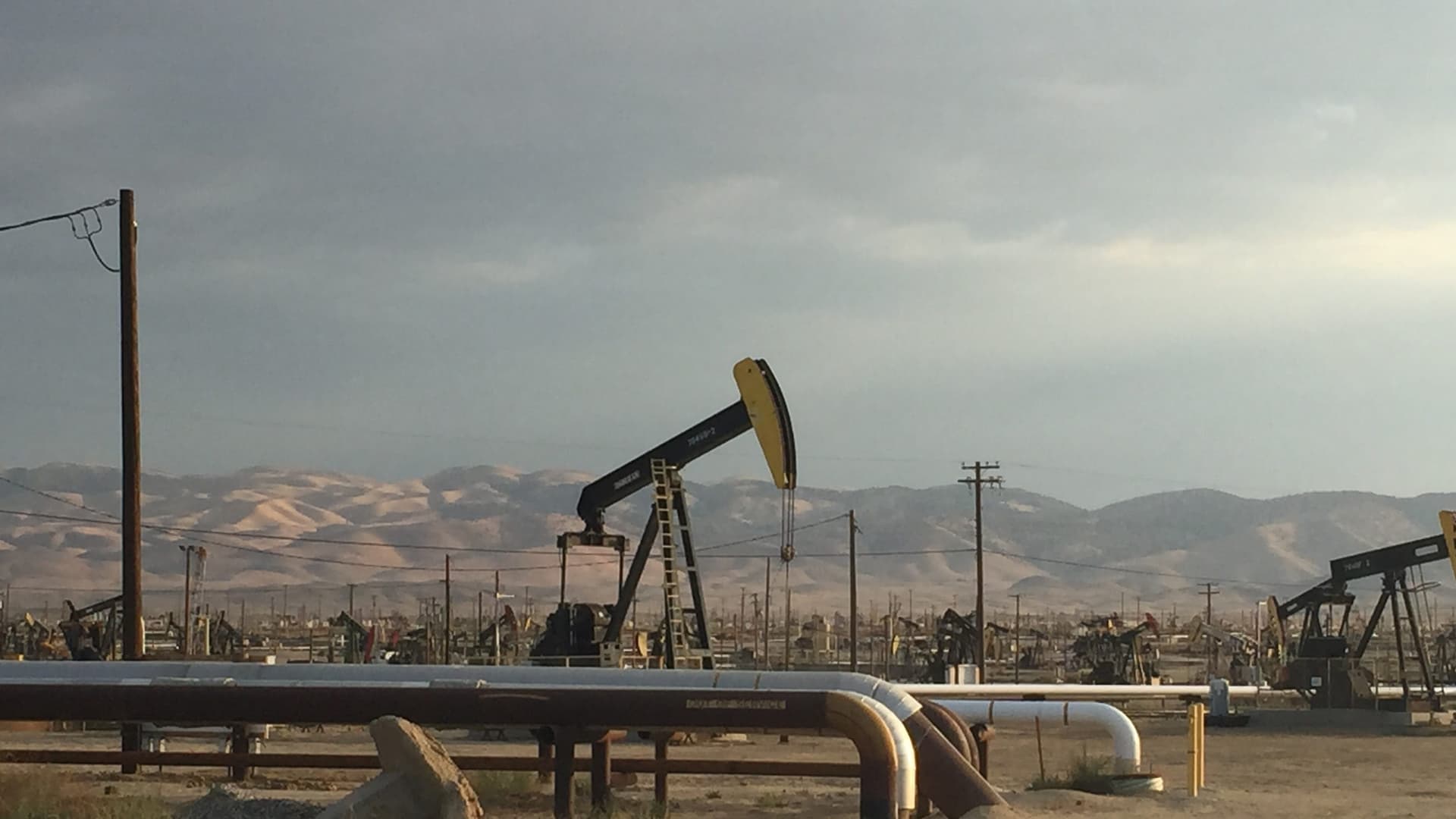
On September 19, 2025, Governor Gavin Newsom, that perennially coiffed avatar of progressive preening, affixed his signature to a clutch of bills that would make even the most jaded Austrian economist chuckle in bitter amusement. Senate Bill 237, the crown jewel of this legislative farce, decrees that the parched oil fields of Kern County may henceforth issue up to 2,000 drilling permits per annum, commencing January 2026—like a miser reluctantly unlocking his vault after years of hoarding the keys in the name of "the greater good."
Why this sudden spasm of sanity, you ask? Because the state's own war on hydrocarbons has birthed a Frankenstein's monster of shortages, with Phillips 66 shuttering its Los Angeles refinery by the fourth quarter of 2025 and Valero's Benicia behemoth teetering on the brink, collectively amputating 20% of California's refining capacity and priming the pump for gasoline prices to soar to an eye-watering $8 per gallon. All this, mind you, while the regime's electric vehicle mandates have mercifully depressed gasoline demand by a tidy 16% over the past year—proving, once again, that even in the land of fruits, nuts, and fiat fantasies, the market finds a way to rebel against coercion.
But let us not be deceived by this paltry concession to reality; Newsom's package is no paean to laissez-faire, but a craven bandage on the gangrenous limb of statism. It dangles the illusory promise of $60 billion in "energy cost savings" over the next decade—by what alchemical process, one wonders, save through the black magic of fiat money printing and further distortions?—while shackling the cap-and-invest program (that venerable euphemism for a carbon tax, born of the same Kyoto fever dreams that Mises would have skewered as internationalist lunacy) to the year 2045, ensuring that the apparatchiks in Sacramento retain their license to pick winners, losers, and wallet-drainers for decades hence.
Since Newsom ascended to his throne in 2019, gasoline prices have ballooned by 22%, electricity rates by a grotesque 82%, and corporate exoduses—Chevron, Oracle, Charles Schwab fleeing like rats from a sinking statist ship—have become the new normal, a testament to the iron law of economic calculation under socialism: intervention begets misallocation, which begets collapse. In Kern County, those hardy souls who wrest black gold from the earth—now facing obsolescence courtesy of the Low Carbon Fuel Standard's regulatory strangulation—might glimpse a flicker of reprieve, but only if the overlords don't deem their labors insufficiently "targeted" or "locally-led" in their next fit of environmental piety.
The chorus of condemnation from the periphery is, as ever, a symphony of the absurd. Republican Assembly Minority Leader James Gallagher, that lone voice of fiscal restraint in a chamber of spendthrifts, brands the maneuver a "humiliating U-turn"—and who can blame him, when the GOP's own flirtations with cronyism have paved this road to perdition? Congressman Vince Fong, sentinel of Kern's 20th District, dismisses the lot as "political theater," a just rebuke to the anti-energy crusade that has felled refineries, throttled pipelines, and compelled California to import crude from Venezuelan despotisms and Saudi sheikhdoms—whose carbon footprints, let us not forget, dwarf the pristine emissions of a well-regulated local well.
On the digital agoras of X, the wit flows freer than subsidized solar panels: one sage observer notes Newsom's metamorphosis from Big Oil litigant to "drill, baby, drill" supplicant, a volte-face engineered by the very death-by-regulation that accelerated these refinery retreats. Even the algorithmic oracles chime in, decrying bureaucratic incompetence: the exaltation of ESG chimeras over robust grids, now rectified only when the bill collectors come calling on the taxpayers. Step back from this tableau of folly, and behold the eternal verity of libertarian critique: the state is the great monopolist, the arch-disturber of spontaneous order.
For a generation, California has preened as the vanguard of "climate leadership"—banning gas stoves in a spasm of nannyism, decreeing electric vehicles as if Henry Ford were a criminal, and pledging the extinction of oil extraction by 2045. Yet renewables, those intermittent idols of the green Illuminati, have saddled the state with the nation's second-highest electricity rates (behind only Hawaii's tropical tyranny), exacerbated by creaking infrastructure, wildfire hysterias, and the criminal neglect of nuclear and natural gas—reliable bastions of bourgeois comfort demonized as "dirty" by those whose private jets guzzle avgas with impunity.
The farmers of the Central Valley, their water rights pilfered for the salvation of minnows and the greater glory of Delta smelt, now till solar panels under duress— a grotesque perversion of property, where the state's eminent domain masquerades as ecological benevolence. How "temporary," pray tell, is this oil indulgence when it buttresses a leviathan addicted to control? It undermines the very ethos of innovation, squanders trillions on high-speed rail will-o'-the-wisps, and cleaves Kern's citizenry betwixt economic salvation and the specter of smog-enforced serfdom.
The reverberations? Cataclysmic, as all statist tremors are. Should the Golden State—cradle of Hollywood illusions and Silicon Valley hubris—yield even an inch to fossil pragmatism, albeit "environmentally sensitive," it unravels the coercive web nationwide: red-state dynamos flourishing under deregulation's benign neglect, while blue bastions chase net-zero phantasms into penury. Envision the dominoes: EV adoption stuttering as charging mirages evaporate; Sacramento's moral capital evaporating at COP confabs like mist before the noonday sun; voters, those sovereign dupes, embracing realpolitik as electricity tariffs climb another 20% in beleaguered enclaves.
Newsom, that aspiring Caesar with 2028 ambitions flickering like a faulty fluorescent, peddles this $60 billion "lifeline" (half diverted to clean-tech sinecures) as a panacea—yet it reeks of corporatism: more bonds to socialize utility wildfires, $180 million in ratepayer extortions, no surcease from monopolies exacting 9% annual gouges.
The true elixir? Dismantle the regulatory panoply, liberate competition, permit markets—not mandarins—to summon abundance from the void. Abolish energy cartels, resurrect pipelines, resurrect nuclear's promethean fire. For liberty, not license, is the font of progress; the state's decrees, mere inflation-fueled illusions.
What denouement awaits this statist spectacle? A redoubled genuflection to windmill worship and offshore vaporware, or a tenacious grip on the tar sands as Valero's deliberations languish? With drilling permits imminent and a $12 billion deficit gaping—compounded by a 24% surge in homelessness since the Newsom nadir—California stands at Armageddon's fork: the path of liberty, or the precipice of perpetual lecturing.