
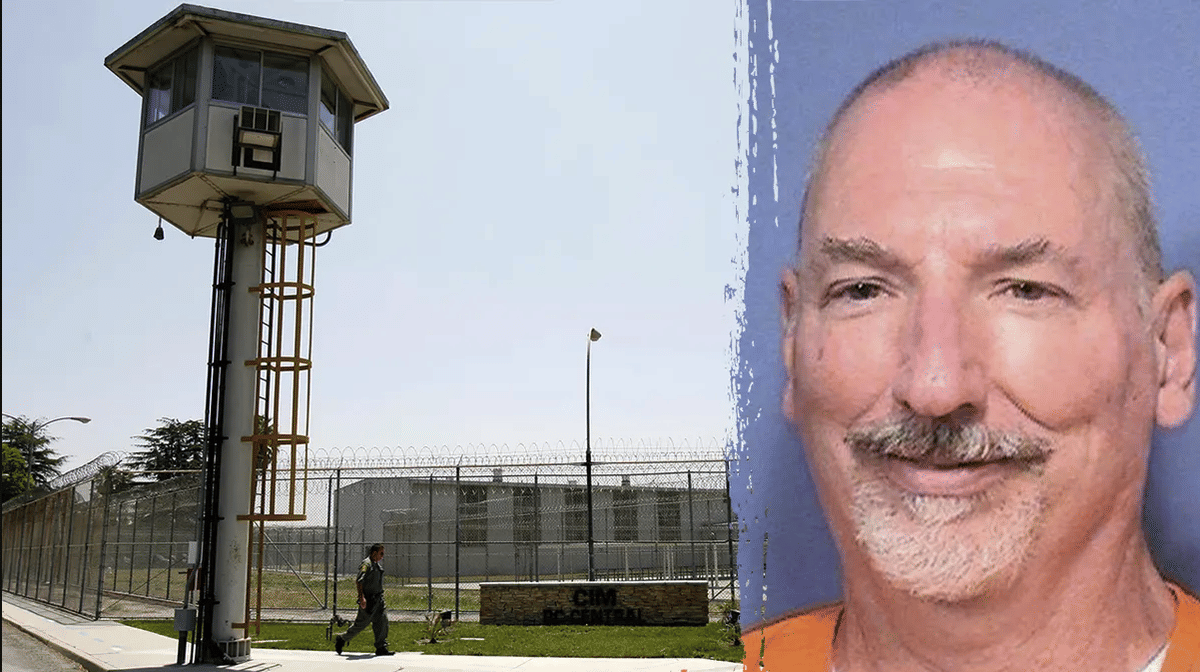
How a 2020 amendment to California's Elderly Parole Program quietly opened the door for some of the state's most dangerous convicted criminals to go free — and why nobody in Sacramento is rushing to fix it.
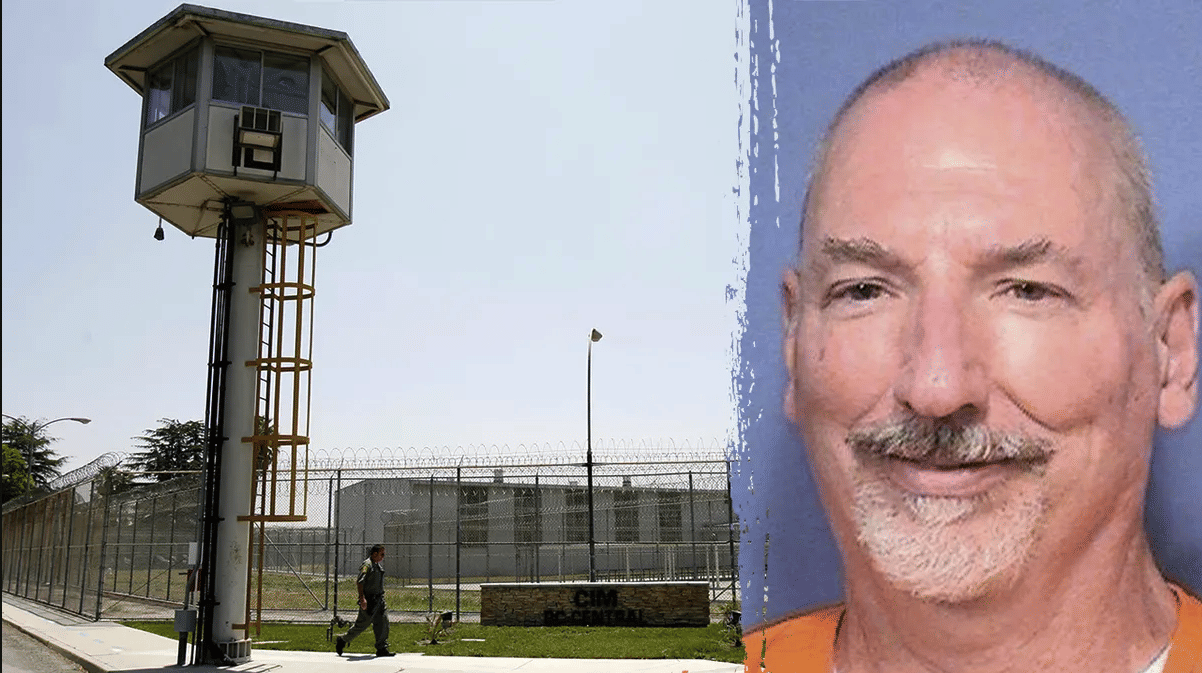
A convicted child sex offender with three life sentences walked out of a California prison. Not because he was innocent. Not because he served his time. Because legislators in Sacramento quietly lowered an age threshold in 2020 and nobody thought hard enough about who that would apply to.
That man is David Funston. And his case should make every California parent furious.
The Law That Made It Possible
California's Elderly Parole Program wasn't designed to be a get-out-of-jail card for violent predators. The original intent was reasonable enough: prisoners who are elderly, who have served decades behind bars, and who no longer pose a meaningful threat to society could be considered for early release. It's a humane idea on paper.
But in 2020, Assembly Bill 3234 amended the program in a way that dramatically expanded who qualifies. The eligibility age was dropped from 60 to 50. The requirement remained that inmates must have served at least 20 years — but the effect of lowering the age floor was significant: it pulled a much wider pool of violent offenders into consideration, years or even decades earlier than previously possible.
Nobody in the legislature appears to have asked the obvious question: what happens when the person who fits these criteria is someone whose victims specifically expected them to die in prison?
The Funston Case
David Funston was convicted in the 1990s on multiple counts of child sexual assault. He received three life terms plus 20 years. The families of his victims were told, in effect, that he was gone for good.
He wasn't. At 64, Funston became eligible under the amended Elderly Parole Program and was granted parole. The community was blindsided. Former prosecutor Marie Schubert and Sacramento Sheriff Jim Cooper were among those who publicly condemned the decision — Cooper specifically called out the absurdity of a release plan built around something called an "urge control plan" serving as a sufficient safeguard for public safety.
Funston is currently back behind bars due to pending charges tied to incidents from 1996 that are still working through the legal system. That is the only reason he is not free right now. Not a fix to the law. Not a policy correction. A legal technicality.
The Bigger Problem Sacramento Won't Address
Funston's case is not a glitch. It is the program working exactly as the amended law allows. And that's the most alarming part.
California's legislature has a well-documented habit of passing reforms with broad, sympathetic framing — criminal justice reform, reducing mass incarceration, centering rehabilitation — without building in adequate safeguards for the most serious offenders. AB 3234 is a textbook example. The policy goal may have been reasonable. The execution created a loophole wide enough to release a man with three life sentences for child sexual assault.
There has been no serious legislative push to revisit the eligibility thresholds. No urgency bill. No task force. Sacramento has been quiet, and that silence is its own kind of answer.
What Needs to Change
At minimum, the Elderly Parole Program needs a hard carve-out for violent sexual offenders — particularly those convicted of crimes against children. An age-based eligibility formula was never an appropriate mechanism for evaluating whether someone like David Funston should be free. Parole boards should not be put in the position of overriding what sentencing courts and juries already decided.
More broadly, California legislators need to be held accountable for the downstream effects of the criminal justice reforms they champion. Passing a bill is easy. Owning what happens because of it is harder. The families of Funston's victims didn't get a vote in 2020 when AB 3234 was amended. They deserve one now.