
A lifeline meant to rescue struggling small businesses during the COVID chaos turns into a massive slush fund for crooks, draining billions from hardworking taxpayers. That's the grim reality unfolding right now in California, where federal investigators under the renewed Trump administration have just blown the lid off a jaw-dropping $8.6 billion in suspected PPP and EIDL fraud. This isn't some wild rumor—it's backed by over 111,620 suspended borrowers, frozen loans totaling 118,489, and real-world examples like a single San Diego address tied to 14 phony companies that pocketed over $2 million in relief funds. And that's just the tip of the iceberg in a scandal that highlights how bloated government programs, riddled with loopholes, invite rampant abuse while genuine entrepreneurs get left in the dust.
In this deep dive, we'll unpack the massive COVID relief fraud in California, spotlight the culprits behind the theft, and expose the deep-rooted failures in oversight that let this happen. If you're a taxpayer or small business owner tired of seeing your hard-earned money vanish into criminal pockets, stick around—this PPP scam is a wake-up call about the dangers of unchecked federal spending and why we need ironclad accountability to protect our economy.
The Massive COVID Relief Fraud Wave: Billions Vanished from PPP and EIDL Programs in California
When the pandemic hit, Washington rolled out ambitious relief efforts like the Paycheck Protection Program (PPP) and Economic Injury Disaster Loans (EIDL) to keep businesses alive and workers paid. The intent was noble: Prevent widespread bankruptcies and job losses amid lockdowns. But in practice? It became a free-for-all for fraudsters, with minimal checks turning these programs into easy targets.
Staggering Numbers: $8.6 Billion in Questionable Loans—and It's Not Over
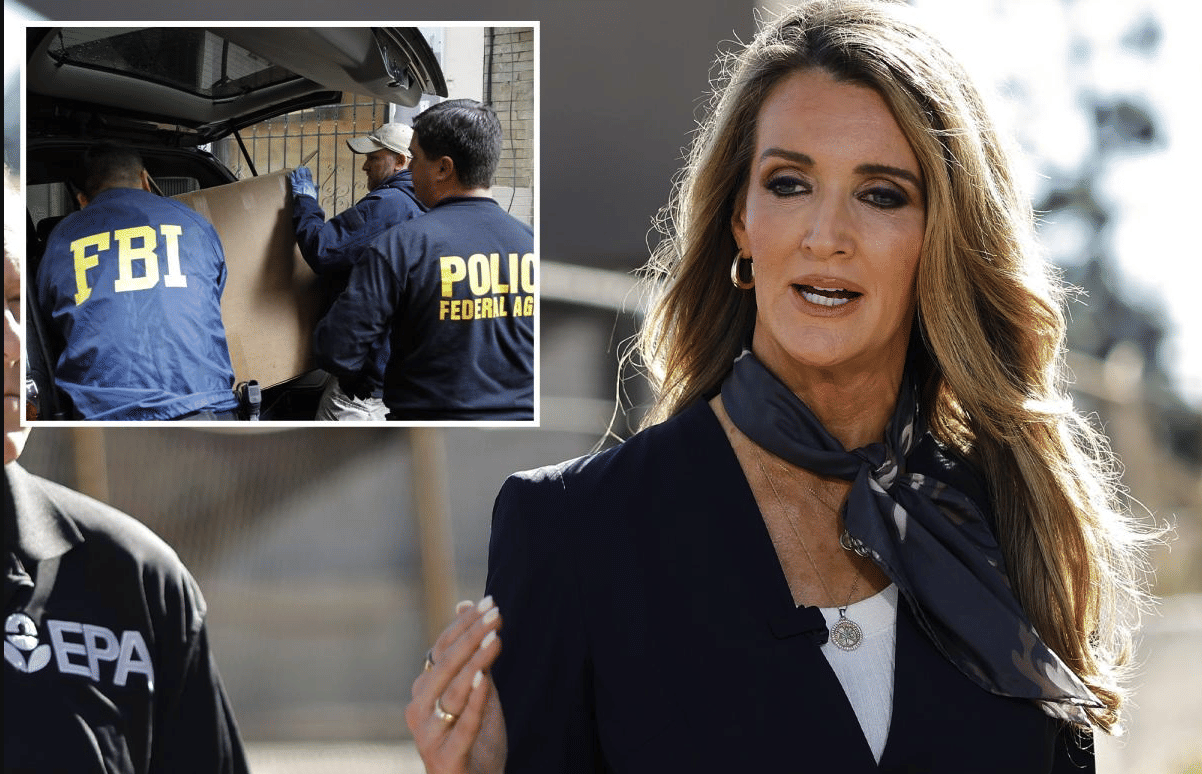
Fresh data from the SBA reveals a nightmare scenario in California alone: 111,620 borrowers flagged for suspected fraud, linked to loans exceeding $8.6 billion. SBA Administrator Kelly Loeffler, announcing this during a recent San Diego visit on February 6, 2026, pointed to glaring red flags like multiple fake entities sharing the same addresses. Take that San Diego case—a nondescript spot registered 14 bogus businesses in 2020, all snagging over $2 million in PPP and EIDL cash that was supposed to help real companies survive. Nationwide, the SBA Office of Inspector General estimates over $200 billion in potential fraud across PPP and EIDL programs—that's a staggering 17% of all disbursed funds, including $64 billion from PPP alone and $136 billion from EIDL. California’s slice? The largest single-state haul uncovered so far, dwarfing even Minnesota's recent $400 million crackdown on 6,900 suspicious borrowers.
These aren't isolated blips. Criminal rings exploited the chaos, setting up sham operations to siphon funds meant for payroll and operations. The result? Taxpayers foot the bill for ghost companies that never employed a soul or contributed to the economy.
Inside the Scam: Fake Companies, Inflated Claims, and Vanishing Funds
How did they pull it off? Fraudsters thrived on rushed approvals and weak verification. Here's the playbook they used:
Phony Business Creation: During the pandemic peak, crooks registered dozens of fictitious entities, often at shared addresses, to apply for multiple loans.
Bogus Payroll Inflation: They fabricated employee lists and exaggerated expenses to maximize payouts, claiming funds for "workers" who never existed.
Money Laundering Tactics: Once approved, the cash flowed into personal accounts, luxury buys, or overseas hides—never to be repaid.
Zero Repayment Intent: With forgiveness rules lax, many simply vanished, leaving debts unpaid and honest applicants waiting in line.
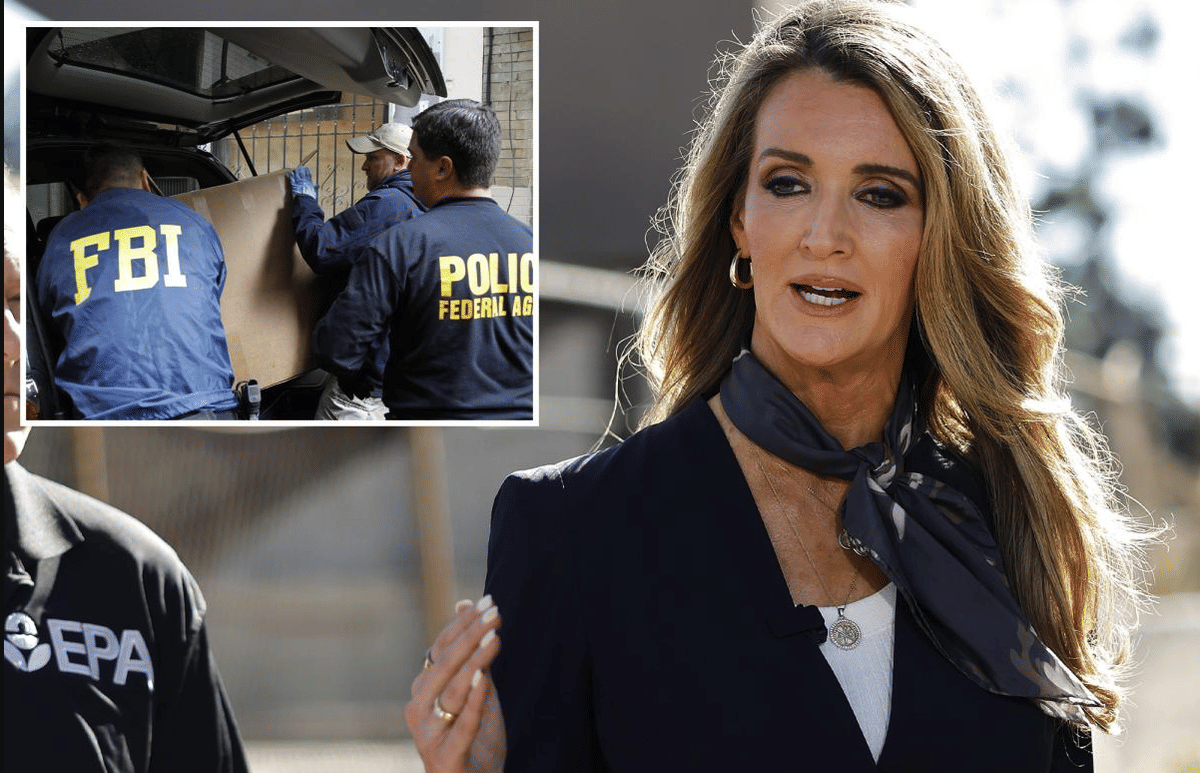
This isn't abstract—real arrests tell the story. In Los Angeles, federal agents busted a criminal network in May 2025, arresting 14 suspects for swindling over $25 million through fake applications and bogus documents in a years-long scheme involving PPP, EIDL, and other SBA loans. Defendants like Sarkis Gareginovich Sarkisyan allegedly submitted false claims for over $700,000 on behalf of nonexistent businesses. The IRS Criminal Investigation and DOJ led the takedown, highlighting how these syndicates targeted federal programs with impunity. Multiply this by thousands across California, and you see why $8.6 billion evaporated, hurting families, distorting job data, and fueling inflation as stolen dollars circulated unchecked.
Why the Delay? Oversight Blunders and Political Inertia Let Fraud Flourish
If red flags were waving for years, why wasn't this nipped in the bud? Blame goes to haphazard rollout and a lack of vigilance from prior administrations. Both the initial Trump and Biden eras faced heat for prioritizing speed over scrutiny—dishing out trillions with bare-bones checks like self-certified applications. Critics argue this "spend first, ask questions later" approach was a recipe for disaster, turning emergency aid into a magnet for opportunists.
Loopholes Galore: Easy Forgiveness Invited Abuse
Forgiveness policies were a boon for legit businesses but a jackpot for scammers. As long as you claimed funds went to "essentials," loans vanished without proof. I know firsthand as a small business owner: I jumped through hoops with real docs to scrape by, while fraudsters faked it all and walked away rich. Nationwide, the DOJ has prosecuted over 200 cases, seizing $78 million in illicit gains, but that's a drop in the $200 billion fraud ocean. Why? Early warnings—like suspicious SSN patterns tied to $5.4 billion in bad loans—were ignored amid the rush.
The Inexcusable Inaction: Red Flags Ignored Until Now
For too long, agencies dragged their feet, even as patterns emerged. The Biden administration drew fire for downplaying alerts, allowing billions to slip away. It took the current Trump SBA's aggressive pivot—partnering with the DOJ for arrests, asset freezes, and referrals—to kick things into gear. But the damage is done: Hundreds of millions may be unrecoverable, eroding trust and saddling future generations with debt from borrowed relief funds.
The Real Toll: How PPP Fraud Cripples California's Economy and Beyond
This scandal isn't just numbers—it's a gut punch to everyday Americans. When government handouts lack safeguards, they distort markets, reward cheats, and punish the rule-followers. Here's the fallout:
Taxpayer Losses Mount: Billions diverted to fraud mean higher taxes or cuts elsewhere, with no benefit to the economy.
Skewed Recovery Stats: Inflated loan data painted a rosier picture than reality, misleading policymakers and investors.
Eroded Faith in Institutions: Why bother playing fair when scammers thrive? This breeds cynicism toward any federal aid.
Honest Businesses Suffer: Real owners, scraping by without shortcuts, competed against ghosts—many shuttered while fraudsters flourished.
Worse, this echoes broader issues: Overreliance on massive programs creates incentives for waste, undermining self-reliance and free enterprise. California's case, with its heavy regulations and welfare-heavy policies, amplified the problem, turning the Golden State into fraud central.
Wake-Up Call: Don't Let $8.6 Billion in Stolen Funds Be California's Legacy
What's more infuriating: The theft of $8.6 billion in California PPP and EIDL fraud, or the years of government complacency that enabled it? This isn't just a California problem—it's a national warning about the perils of expansive programs without guardrails. If we don't demand fiscal discipline, transparency, and real consequences now, expect more scandals, more debt, and more betrayal of honest Americans. It's time to reclaim control: Protect your wallet, support genuine innovation, and insist on a system that rewards hard work over handouts gone wrong.